Facebook and Instagram remain two of the most effective platforms for digital advertising in 2026. With billions of active users worldwide, these platforms offer businesses an excellent opportunity to reach potential customers based on their interests, location, age, behavior, and online activity. However, many small business owners believe that successful advertising requires a large marketing budget.
The good news is that you don’t need thousands of dollars to see results. With the right strategy, even a modest budget can generate quality leads, website traffic, brand awareness, and sales. The key is to target the right audience, create engaging ads, and continuously optimize your campaigns.
This guide explains how to run Facebook and Instagram ads effectively while keeping your advertising costs under control.
Why Choose Facebook and Instagram Ads?
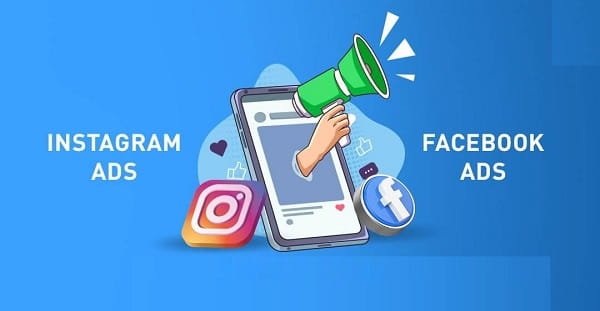
Facebook and Instagram Ads are managed through Meta Ads Manager, allowing businesses to advertise across both platforms from a single dashboard.
Some major advantages include:
- Affordable advertising options
- Advanced audience targeting
- Flexible daily budgets
- Multiple ad formats
- Detailed performance tracking
- Suitable for businesses of all sizes
Even small businesses can compete effectively by using smart targeting and compelling content.
Step 1: Define Your Advertising Goal
Before creating a campaign, decide exactly what you want to achieve.
Common advertising objectives include:
- Brand Awareness
- Website Traffic
- Lead Generation
- Sales
- App Installs
- Engagement
- Video Views
- Messages
Choosing the right objective helps Meta optimize your campaign for the desired outcome.
Step 2: Set a Realistic Budget
One of the biggest advantages of Meta Ads is budget flexibility.
Instead of spending heavily from the beginning, start with a small daily budget and test your campaigns.
For example:
- Test one campaign at a time.
- Run it for several days.
- Analyze performance before increasing your budget.
Scaling successful campaigns is far more effective than investing heavily in untested ads.
Step 3: Know Your Target Audience
Showing your ads to the wrong audience wastes money.
Meta allows detailed audience targeting based on:
- Age
- Gender
- Location
- Language
- Interests
- Online behavior
- Education
- Job title
For local businesses, targeting customers within your service area can significantly improve your return on investment.
Step 4: Use High-Quality Creatives
Your image or video is often the first thing people notice.
Create ads that include:
- High-resolution images
- Short and engaging videos
- Bright and clean visuals
- Clear branding
- Strong call-to-action buttons
Videos and Reels usually attract higher engagement than static images because they capture attention more quickly.
Step 5: Write Compelling Ad Copy
A successful advertisement combines attractive visuals with persuasive text.
Your ad copy should:
- Highlight the main benefit
- Address customer problems
- Keep sentences short
- Include a clear call to action
- Focus on value instead of features
For example:
“Upgrade your home with stylish furniture at affordable prices. Shop today and enjoy limited-time discounts.”
Simple and direct messaging often performs better than lengthy descriptions.
Step 6: Choose the Right Ad Placement
Meta automatically recommends placements across Facebook and Instagram.
Popular placements include:
- Facebook Feed
- Instagram Feed
- Instagram Reels
- Facebook Reels
- Stories
- Marketplace
- Explore Page
Automatic placements generally work well for beginners because the system distributes your budget where it is likely to perform best.
Step 7: Install the Meta Pixel
If you have a website, installing the Meta Pixel is essential.
The Meta Pixel helps you:
- Track conversions
- Measure campaign performance
- Build remarketing audiences
- Optimize ad delivery
Without proper tracking, it becomes difficult to understand which campaigns generate the best results.
Step 8: Test Different Ads
Never rely on just one advertisement.
Experiment with different:
- Headlines
- Images
- Videos
- Calls to action
- Audience groups
- Ad formats
Testing multiple versions helps identify which combinations produce the best engagement and conversions.
Step 9: Monitor Performance Regularly
Successful advertising requires continuous optimization.
Important metrics include:
- Reach
- Impressions
- Click-Through Rate (CTR)
- Cost Per Click (CPC)
- Conversion Rate
- Cost Per Lead
- Return on Ad Spend (ROAS)
Pause low-performing ads and allocate more budget to successful campaigns.
Best Low-Budget Advertising Strategies
1. Focus on Local Targeting
If your business serves a specific city or region, avoid advertising nationwide.
Target only customers who can realistically purchase your products or services.
Local targeting usually reduces advertising costs while improving conversions.
2. Promote Best-Selling Products
Instead of advertising your entire product catalog, focus on products that already perform well.
Winning products often generate better engagement and lower advertising costs.
3. Retarget Previous Visitors
Remarketing campaigns target people who have:
- Visited your website
- Viewed your products
- Watched your videos
- Engaged with your social media pages
These audiences are already familiar with your brand and often convert at a lower cost.
4. Use Organic Content Alongside Ads
Not every post needs advertising.
Maintain active Facebook and Instagram pages by posting:
- Customer testimonials
- Educational tips
- Product demonstrations
- Behind-the-scenes content
- User-generated content
Strong organic engagement can improve the effectiveness of your paid campaigns.
Common Mistakes to Avoid
Many businesses waste money by making these common mistakes:
- Targeting audiences that are too broad
- Running too many campaigns at once
- Ignoring campaign data
- Using poor-quality images
- Sending users to slow websites
- Changing campaigns too frequently
- Not testing different creatives
Avoiding these mistakes helps improve campaign performance without increasing your budget.
Tips to Maximize ROI
To achieve better results with a limited budget:
- Define one clear campaign objective.
- Create mobile-friendly landing pages.
- Use short, engaging videos.
- Refresh ad creatives regularly.
- Respond quickly to customer inquiries.
- Use clear and compelling calls to action.
- Monitor campaign performance weekly.
- Scale only campaigns that consistently perform well.
Consistency and optimization are more important than spending large amounts of money.
Facebook & Instagram Ads vs Organic Marketing
| Feature | Paid Ads | Organic Marketing |
| Results | Immediate | Long-term |
| Cost | Budget required | Mostly time and effort |
| Reach | Highly targeted | Depends on algorithm |
| Speed | Fast | Gradual |
| Best For | Sales, leads, promotions | Brand building and community growth |
Using both paid and organic marketing together creates a balanced digital strategy.
Conclusion
Running Facebook and Instagram ads with a low budget is entirely possible when you focus on smart planning instead of high spending. By defining clear objectives, targeting the right audience, creating engaging visuals, testing different ad variations, and monitoring performance regularly, small businesses can generate impressive results without exceeding their budget.
The key to success is continuous learning and optimization. Start with a modest budget, analyze what works, and gradually scale your best-performing campaigns. Combined with strong organic content and consistent customer engagement, Facebook and Instagram Ads can become powerful tools for growing your business, increasing brand awareness, and driving long-term success.