A young professional in Chennai buys a two-year-old hatchback from a colleague, hands over the payment, and drives home genuinely believing she’s covered simply because the seller’s insurance policy was still active at the time of sale. Three weeks later, a minor accident happens, and her claim gets rejected outright — the policy was still in the previous owner’s name, meaning she’d effectively been driving uninsured for the own-damage portion of her coverage the entire time. India’s second-hand car market is projected to grow from 20% to 45% of total car sales by FY2026-27, and this exact mistake genuinely repeats across thousands of these transactions every month, simply because buyers assume the RC transfer alone is enough.
Understanding the correct steps to transfer motor insurance ownership isn’t bureaucratic box-ticking — it’s genuinely what determines whether you’re actually protected the moment you take the wheel of a used vehicle.
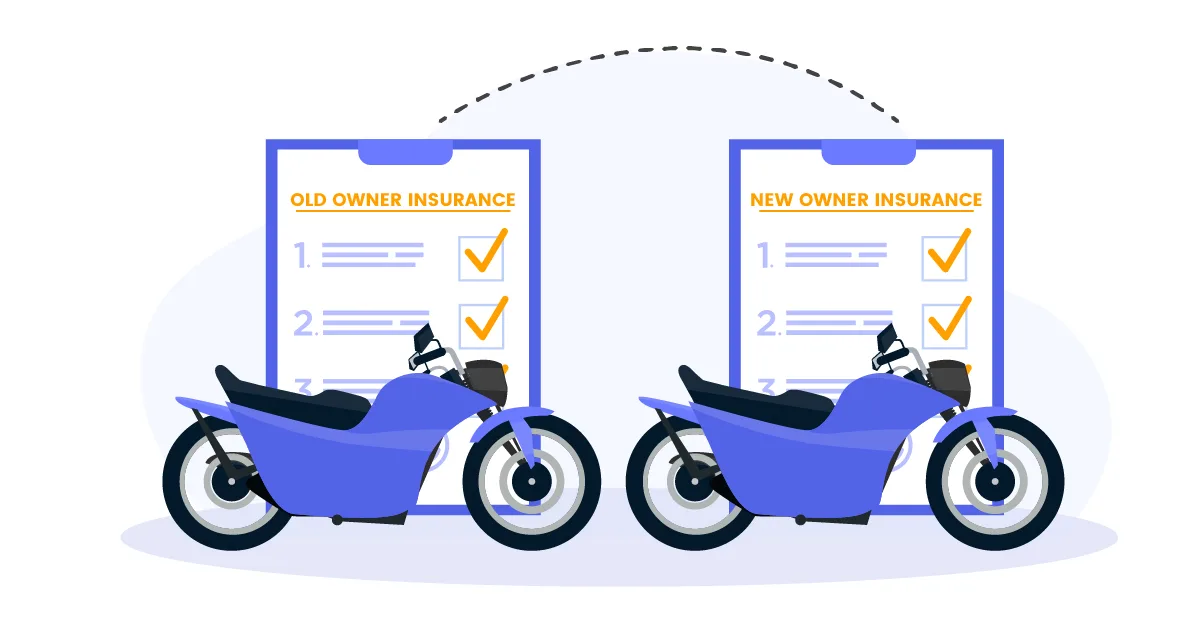
Why Insurance Transfer Is Legally Separate From RC Transfer
This is the first misunderstanding worth clearing up, since it’s exactly what trips up most buyers:
- Under IRDAI regulations, a motor insurance policy must be in the name of the vehicle’s registered owner — meaning even a fully paid, active policy doesn’t automatically cover a new owner just because the car changed hands
- Transferring the RC (Registration Certificate) and transferring the insurance policy are two genuinely separate legal processes, each requiring its own paperwork and approval
- The Motor Vehicles Act, 1988 mandates that insurance transfer must happen within 14 days of the ownership transfer being registered with the RTO
- Miss this window, and the new owner is effectively driving with inadequate coverage, exposed to legal penalties and with no recourse for own-damage claims
What Genuinely Happens During the 14-Day Window
This nuance catches many people off guard, since it’s not quite as simple as “no insurance at all” during this period:
- During the 14-day window immediately after ownership changes, only the third-party liability section of the policy automatically extends to the new owner
- The own-damage section of the policy does not transfer automatically — it only applies once the insurer has formally endorsed the policy in the buyer’s name
- This means if the buyer’s own car gets damaged during this window before formal transfer, that specific claim would genuinely be rejected, exactly as happened in the Chennai example above
- Completing both the RC transfer and insurance transfer together, rather than treating them as sequential or optional steps, genuinely avoids this entire risk
Documents You’ll Genuinely Need Ready
Having these prepared in advance considerably speeds up the entire process:
- Updated RC or RC Transfer Acknowledgement, confirming the vehicle’s ownership has genuinely shifted to the buyer
- Form 29 and Form 30, signed by both buyer and seller, serving as official proof of sale and the ownership transfer request
- A copy of the seller’s existing insurance policy, providing the insurer with current policy details
- A No Objection Certificate from the seller, along with a signed affidavit from both parties confirming the transaction
- Valid identity proof and address proof for the buyer
- An application for vehicle inspection, since insurers often verify the car’s condition, particularly for policies including own-damage cover
The Actual Step-by-Step Process
Once your documents are ready, the process itself is genuinely straightforward:
- Contact the insurer who issued the original policy — call their motor insurance helpline or use their self-service portal, informing them of the ownership change and requesting a formal transfer
- Submit all required documents for verification — the insurer will check the RC transfer, sale documents, and buyer’s identity proof before proceeding
- Pay the nominal transfer fee, typically ranging from ₹50 to ₹500 depending on the insurer, with the buyer generally responsible for this cost since the policy is moving into their name
- Allow the insurer to complete verification, which may include a vehicle inspection, particularly relevant for policies carrying own-damage coverage
- Receive the endorsed policy in the buyer’s name — coverage, Insured Declared Value (IDV), and premium generally remain unchanged for the rest of the original policy term, though buyers can request an IDV revision if the car’s current market value has shifted
Why the Seller’s No Claim Bonus Genuinely Matters Too
This is a detail sellers specifically shouldn’t overlook, since it represents real, accumulated financial value:
- If the seller has maintained a claim-free record, their No Claim Bonus doesn’t simply disappear once they sell the car — it belongs to the seller personally, not the vehicle
- Sellers should request an NCB retention letter from their insurer before completing the transfer, allowing them to carry that accumulated discount forward to insurance on their next vehicle
- This step is genuinely easy to forget amid the broader transfer paperwork, but skipping it means losing a discount that could be worth thousands of rupees in future premium savings
What Happens If a Buyer Prefers Fresh Insurance Instead
Not every buyer wants to inherit the seller’s existing policy, and that’s a genuinely valid alternative path:
- Buyers can choose to take out a completely fresh insurance policy instead of transferring the seller’s existing one
- In this case, the seller would surrender their existing policy rather than transfer it, receiving a refund based on the remaining policy months, adjusted for any NCB rebate already applied
- Either path genuinely satisfies the legal requirement, provided the buyer has valid insurance in their own name before driving the vehicle
Frequently Asked Questions
Q1. What happens if I buy a used car but forget to transfer the insurance within the 14-day window?
Your own-damage coverage genuinely won’t apply until the formal transfer is completed, meaning any accident damage to your own vehicle during this delay likely won’t be covered, though third-party liability coverage typically extends automatically during this initial period regardless of formal transfer status.
Q2. Who is genuinely responsible for paying the insurance transfer fee, the buyer or the seller?
The buyer typically pays this fee, since the policy is being transferred into their name — the fee is generally modest, ranging from ₹50 to ₹500 depending on the insurer and vehicle type.
Q3. Can I keep my No Claim Bonus if I sell my car and buy a different one, rather than transferring insurance to the buyer?
Yes, genuinely — request an NCB retention letter from your insurer before completing the sale, since your No Claim Bonus belongs to you as the policyholder rather than being tied to the specific vehicle, letting you apply it toward insurance on your next car purchase.
Q4. Is it better to transfer the seller’s existing insurance policy or simply buy a fresh one as the new owner?
This depends on your specific situation — transferring the existing policy can be simpler if it still has considerable time remaining and suits your needs, while buying fresh insurance gives you the flexibility to choose your own insurer, coverage level, and IDV based on your own assessment of the car’s current value.