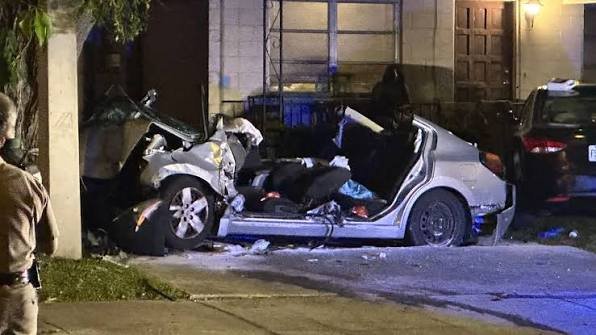
An accident scene often tells only part of the story. A wet floor, broken sidewalk, or damaged stair may explain where someone fell, but it does not always explain why the hazard existed in the first place. That is one reason some people speak with a premises liability lawyer in Pensacola while collecting information connected to an accident. Pensacola is home to busy shopping centers, restaurants, hotels, parks, and public spaces where many different property conditions can exist. Looking beyond the obvious details often creates a better understanding of the circumstances surrounding an accident.
Property accident cases usually involve more than photographs taken immediately after a fall. Maintenance records, witness statements, inspection reports, and other documents may help explain what happened before the accident occurred. The more complete the available information becomes, the easier it is to understand the overall situation.
Why Looking Beyond the Accident Scene Matters
Property Maintenance History
The condition of a property does not change overnight. Walkways, staircases, parking lots, handrails, and flooring often show signs of wear before an accident happens. Looking at maintenance records may help show whether repairs had been completed regularly or if certain conditions had existed for a longer period. In a busy city like Pensacola, where commercial properties receive heavy daily foot traffic, regular maintenance plays an important role in keeping visitors safe.
Surveillance Footage May Show More Than Photographs
Photographs capture one moment, but security cameras sometimes record what happened before, during, and after an accident. Video footage may show how long a hazard remained in place, how people moved through the area, or whether warning signs were visible. Many businesses throughout Pensacola use security cameras, making video recordings another valuable source of information whenever they are available.
Witness Statements Can Fill Missing Details
People who were nearby may notice information that is not included in photographs or written reports. Customers, employees, delivery drivers, or other visitors may remember the condition of the property, whether warning signs were present, or how long the hazard appeared to remain before the accident. Comparing these observations with other available records often helps create a more complete picture of the events leading up to the incident.
Inspection and Repair Records
Inspection reports and repair records may reveal details that are not visible at the accident scene. These documents sometimes show whether a damaged walkway, loose handrail, broken step, or lighting problem had already been identified before the incident occurred. Looking at these records together with photographs and maintenance logs often creates a clearer timeline. Since Pensacola has many businesses, hotels, apartment communities, and public buildings, inspection records can become another helpful source of information.
Lighting, Weather, and Property Conditions
The surrounding conditions may also influence how an accident is reviewed. Poor lighting, heavy rain, slippery entrances, uneven pavement, or temporary construction areas can all affect how people move through a property. Pensacola’s coastal weather often brings sudden rain showers, making outdoor walkways and parking areas more slippery than usual. Looking at these conditions helps place the accident within the environment where it happened instead of focusing only on the exact location of the fall.
How Looking Beyond the Scene May Benefit Your Claim
It Creates a More Complete Timeline
Looking beyond the accident scene helps organize information from different sources into one timeline. Maintenance records, inspection reports, witness statements, and photographs may explain what happened before the accident instead of showing only the final result.
It Helps Connect Different Pieces of Information
One document rarely explains everything. A maintenance report may support a witness statement, while surveillance footage may match photographs taken after the accident. Looking at several sources together often provides a clearer understanding than relying on a single record alone.
It May Help Preserve Important Details
Some information becomes harder to collect as time passes. Security footage may be deleted, witnesses may forget details, and temporary hazards may be repaired quickly. Gathering available records early helps preserve information that may no longer exist later.
Helpful Records to Keep After a Property Accident
Keeping information organized from the beginning often makes it easier to understand what happened and how different records connect with one another. Helpful documents may include:
- Photographs of the accident area from different angles.
- Medical records and treatment updates.
- Copies of any incident or accident reports.
- Contact information for available witnesses.
- Maintenance or repair records if they become available.
- Insurance letters, emails, and claim updates.
- Notes about important dates, conversations, and appointments.
Final Words
The place where an accident happens is only one part of the overall story. Maintenance records, inspection reports, witness statements, surveillance footage, and property conditions may all provide details that are not immediately visible after an incident.
Looking at this information together often creates a more complete understanding of the circumstances surrounding the accident. Someone speaking with a premises liability lawyer in Pensacola may also find it helpful to have organized records available before discussing the available information. Careful documentation and a broader review often provide a clearer picture than the accident scene alone.