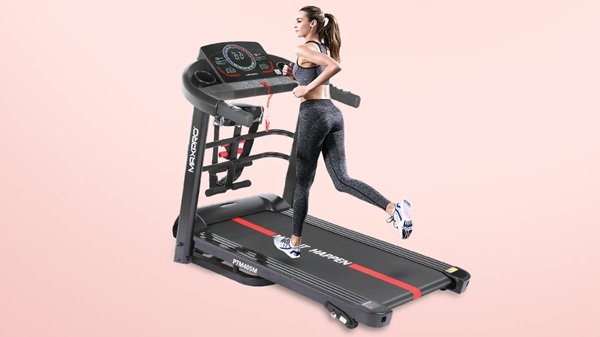
Setting up a gym in India in 2026 means choosing from a market split neatly down the middle: heavy-duty commercial manufacturers who’ve been welding steel frames since before “fitness influencer” was a job title, and a newer wave of D2C brands selling compact home gyms through apps and Instagram ads. Both sides claim the “top 10” label, and honestly, both deserve it — just for different buyers.
| Quick Facts | Details |
| Regulatory standard | BIS (Bureau of Indian Standards) safety certification for commercial-grade equipment |
| Oldest company in this list | Cosco (India) Ltd — founded 1980, publicly listed on BSE |
| Commercial equipment price range | ₹15,000 to ₹5 lakh+ per machine, depending on category |
| Home gym price range | ₹5,000 to ₹80,000 for compact multi-station setups |
| Fastest-growing segment | Smart, connected home fitness equipment |
| Common material standard | Powder-coated steel frames, commercial-grade upholstery |
One thing that surprises a lot of first-time gym owners: Cosco isn’t just a fitness brand chasing a trend — it’s a publicly traded, 45-year-old sporting goods manufacturer that also makes cricket bats, footballs, and badminton rackets, and treats fitness equipment as one division among several rather than its core identity. That diversified footprint is exactly why its gym equipment tends to show up in institutional tenders — schools, corporate wellness centers, government facilities — where procurement teams want a vendor with a long paper trail, not just a trending product line.
Commercial and Institutional Equipment Makers
Cosco (India) Ltd
Cosco has been manufacturing sporting goods in Delhi since 1980 and later folded fitness equipment into its existing production infrastructure rather than starting from scratch. Because it’s a listed company with decades of institutional supply relationships, it tends to win bulk contracts that newer brands simply can’t compete for yet.
Jerai Fitness
Jerai has positioned itself as India’s largest and most established commercial gym equipment manufacturer since launching in 1994, and the brand’s own figures put its gym installations well into the thousands nationwide. Its equipment is built with function over flash in mind — machines designed to survive continuous daily use rather than impress on a showroom floor.
Powermax Fitness
Powermax has spent more than a decade building a catalog that spans both home and commercial categories, and its pricing strategy leans toward accessibility rather than premium positioning. It’s a common pick for gym owners who want commercial-grade reliability without paying import-brand markups.
Viva Fitness
Viva has specialized specifically in cardio and strength equipment since 2005, choosing depth over breadth compared to generalist manufacturers. Fitness centers that want a focused cardio lineup — treadmills, ellipticals, spin bikes — rather than a sprawling catalog tend to gravitate here.
Into Wellness
Into Wellness differentiates itself through in-house manufacturing control, building equipment from raw material through final assembly rather than assembling from purchased components sourced across multiple vendors. That vertical integration also shows up in customization options — machine color, branding placement, upholstery choices — aimed at gyms that want their equipment to match a specific brand identity rather than look identical to every other facility on the block.
Home and D2C Fitness Brands
Aerofit
Aerofit built its identity around residential and light-commercial equipment, with treadmills and ellipticals forming the core of its catalog. It sits in the middle ground between budget home-gym brands and full commercial manufacturers, which makes it a frequent choice for boutique studios and serious home setups alike.
Lifelong Online
Lifelong entered fitness equipment as an extension of its broader consumer electronics and home-appliance business, applying the same e-commerce-first distribution model that built its other product categories. That background shows in how the brand sells — heavily through online marketplaces rather than dealer networks or gym-supply showrooms.
Kobo Fitness
Kobo has carved out space in the mid-range accessories and equipment segment, often bundled into home-gym starter kits sold through online retail. It’s less of a heavy-machinery brand and more of a practical, budget-conscious option for buyers setting up their first home workout space.
Durafit
Durafit focuses squarely on compact, space-efficient equipment built for Indian apartment living, where a full commercial squat rack simply isn’t realistic. Foldable treadmills and multi-purpose benches make up a large share of its catalog.
Fitkit
Fitkit represents the newest wave on this list — a D2C brand built almost entirely around smart, connected home fitness equipment rather than traditional mechanical machines. It’s aimed at buyers who want app integration and tracked workouts more than raw commercial durability.
Commercial Versus Home: What Actually Decides This
If you’re outfitting a gym that runs eight hours a day with multiple users per machine, the commercial-grade names — Cosco, Jerai, Powermax, Viva, Into Wellness — are built for that load in a way home equipment simply isn’t, regardless of how sturdy a home machine looks in photos. If you’re setting up a personal space with light, intermittent use, the home and D2C brands offer better value and don’t force you to pay for industrial-grade steel you’ll never actually stress-test. Confusing the two categories is the single most common expensive mistake first-time buyers make — either overpaying for commercial equipment a home user doesn’t need, or underbuying home-grade machines for a gym that’ll wear them out within a year.
FAQs
Q. Which is the oldest gym equipment company in India?
Cosco (India) Ltd is the oldest name on this list, founded in 1980 as a diversified sporting goods manufacturer before expanding into commercial fitness equipment.
Q. Is Indian-made gym equipment as good as imported brands?
Established commercial manufacturers like Jerai and Cosco build to BIS safety standards and supply thousands of institutional gyms, making quality broadly comparable while costing considerably less than imported equipment.
Q. What’s the difference between commercial and home gym equipment?
Commercial equipment uses heavier frames and components rated for continuous multi-user daily use, while home equipment is lighter, more compact, and priced for occasional single-user sessions.
Q. Which brand is best for a small home gym in an apartment?
Durafit and Fitkit specialize in compact, foldable, space-efficient equipment designed specifically for smaller Indian homes, unlike bulkier commercial-grade machines from Jerai or Cosco.