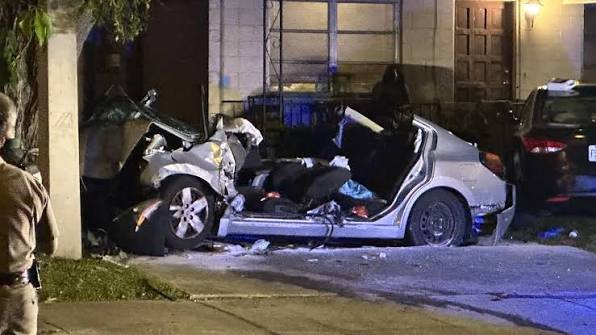
After a car accident, determining who was responsible can affect insurance claims, compensation, and the next steps in the legal process. Understanding how fault is determined in a Florida car accident can help injured drivers understand what evidence matters, how insurance companies evaluate claims, and why disputes over responsibility sometimes arise. A police report may provide an initial account of the crash, but fault is not always settled at the scene. Investigators, insurance adjusters, and, when necessary, courts may review additional evidence before reaching a conclusion.
Why Determining Fault Matters After a Crash
Fault plays an important role in a car accident claim. It can affect whether an injured person can recover damages from another driver and how much compensation may be available.
Florida follows a modified comparative negligence system for most negligence claims. Under Florida Statute § 768.81, an injured person generally cannot recover damages if they are found to be more than 50% responsible for their own harm. If their share of fault is 50% or less, their recoverable damages are generally reduced by their percentage of responsibility, subject to applicable exceptions.
For example, if a person has $100,000 in recoverable damages and is found 20% responsible for a collision, their damages would generally be reduced to $80,000. If they are found 51% responsible, the modified comparative negligence rule generally bars recovery from the other responsible parties.
This makes evidence and the accurate assessment of each driver’s actions especially important. Even when a driver believes the other motorist caused the crash, the insurance company may reach a different conclusion after reviewing the available information.
Who Determines Fault in a Florida Car Accident?
Fault is not determined by one person in every case. Several parties may evaluate the circumstances of a collision, and their conclusions may differ.
Police Officers
A responding officer may prepare a crash report containing information about the vehicles, road conditions, driver statements, witness accounts, citations, and the officer’s observations.
The report can be an important starting point for an insurance investigation. However, it does not automatically settle civil liability. Additional evidence may reveal details that were not available to the officer at the scene.
Photographs, surveillance footage, vehicle damage, and independent witness statements may help clarify how the accident occurred.
Insurance Adjusters
Insurance companies generally investigate reported accidents to determine how coverage applies and whether their policyholders may be responsible for the resulting losses.
An adjuster may review the crash report, photographs, medical records, vehicle damage, witness statements, and other documentation. The adjuster may also request information from the drivers involved.
An insurer’s fault assessment is not the same as a final court ruling. If an adjuster assigns an injured driver an unreasonable share of responsibility, additional evidence may help challenge that conclusion.
Judges and Juries
If a car accident dispute proceeds to court, a judge or jury may evaluate the evidence presented by the parties and determine responsibility under the applicable law.
Depending on the case, this process may involve witness testimony, expert opinions, vehicle data, photographs, medical evidence, and other records.
Because fault can affect the amount of compensation available, preserving relevant evidence early can be important when a liability dispute is possible.
What Evidence Helps Establish Fault?
A strong liability investigation often combines several types of evidence rather than relying on a single document or statement.
Police Reports and Accident Scene Photographs
A crash report may provide information about the location, drivers, vehicles, and circumstances surrounding the collision. Photographs can add important details about vehicle damage, skid marks, debris, traffic signs, road conditions, and the position of the vehicles.
Taking photographs when it is safe to do so may help preserve details that could become difficult to reconstruct later.
Witness Statements
People who saw the collision may provide independent accounts of what happened. Witnesses might describe which driver had the right of way, whether a vehicle changed lanes suddenly, or whether a driver appeared to ignore a traffic signal.
Collecting names and contact information can make it easier to locate witnesses if the accounts of the drivers conflict.
Surveillance and Dashcam Footage
Video recordings can help clarify the sequence of events before and during a collision. Footage may come from a vehicle’s dashcam, nearby businesses, residential security cameras, or other available recording systems.
However, footage is not always available, and some recordings are overwritten after a short period. Identifying potential sources quickly may help preserve useful evidence.
Vehicle Data and Electronic Records
Some vehicles contain event data recorders that may capture information about speed, braking, or other vehicle activity around the time of a crash. Other electronic records, including relevant phone activity, may help establish whether distraction played a role.
Access to certain records may require legal procedures or appropriate authorization. The usefulness of each source depends on the circumstances of the collision and the information available.
Medical Records
Medical records can document the injuries reported after a collision, the treatment received, and the effects of those injuries. They may also help connect the injuries to the accident.
Although medical records do not necessarily establish which driver caused a crash, they can support the damages portion of an injury claim and help explain the consequences of the collision.
How Fault Is Evaluated in Common Florida Accidents
The circumstances of a crash can provide clues about responsibility, but fault ultimately depends on the available evidence and applicable law.
Rear-End Collisions
In many rear-end collisions, the driver who strikes the vehicle ahead may be presumed negligent. However, that presumption can be challenged by evidence showing that the circumstances were different from what initially appeared.
For example, evidence concerning brake lights, an unexpected lane change, or the actions of the lead driver may affect the liability analysis. The specific facts matter when determining whether one or more drivers contributed to the collision.
Left-Turn Accidents
Drivers making left turns generally must yield to oncoming traffic when required by Florida law. A collision during a left turn may therefore raise questions about whether the turning driver failed to yield.
However, the actions of the oncoming driver may also be relevant. Speed, traffic signals, visibility, and other circumstances can affect the final assessment of fault.
Intersection Collisions
Crashes at intersections often involve disputes about traffic signals, stop signs, right-of-way rules, or the timing of a turn.
Witness statements, photographs, available video, vehicle damage, and other evidence may help establish which driver entered the intersection improperly or failed to respond safely to traffic conditions.
Lane-Change Accidents
Drivers generally must ensure that a lane change can be made safely and comply with applicable signaling requirements. A collision during a lane change may raise questions about blind spots, vehicle speed, signaling, and the position of the vehicles.
If both drivers contributed to the crash, their respective shares of responsibility may need to be evaluated under Florida’s comparative negligence rules.
What Happens When Multiple Parties Share Fault?
Some car accidents involve more than two drivers or raise questions about the actions of other parties.
For example, a multi-vehicle collision may involve several drivers whose actions contributed to the sequence of impacts. A commercial vehicle crash may raise questions about the driver’s conduct and whether an employer or another party bears legal responsibility.
In other situations, vehicle defects, unsafe road conditions, or maintenance issues may require further investigation. Whether a manufacturer, business, or government entity may be responsible depends on the specific facts and applicable legal requirements.
Identifying potentially responsible parties can be important because different parties may have separate insurance coverage. However, liability and available recovery depend on the evidence, governing law, and any applicable limits or defenses.
How Insurance Companies May Dispute Fault
Insurance companies do not always agree about who caused a crash. An adjuster may argue that an injured driver was speeding, failed to pay attention, changed lanes improperly, or could have avoided the collision.
These arguments can affect the insurer’s evaluation of a claim. Under Florida’s modified comparative negligence system, the percentage of fault assigned to an injured person can directly affect their ability to recover damages.
If an insurer assigns an unsupported percentage of responsibility, relevant evidence may help challenge that assessment. Additional witness statements, photographs, video footage, vehicle data, or expert analysis may provide a clearer picture of what happened.
It is important to understand that an insurer’s initial assessment is not necessarily the final outcome. The evidence and applicable law remain central to resolving a dispute.
Florida’s No-Fault Insurance System and Fault
Florida’s no-fault insurance system can cause confusion because personal injury protection, commonly called PIP, and legal responsibility for a crash serve different purposes.
PIP coverage may pay certain medical expenses and lost wages under the policy and applicable Florida law, regardless of who caused the accident. However, PIP does not automatically determine which driver was negligent.
Fault becomes especially important when an injured person seeks compensation from another responsible party beyond the benefits available under their own insurance coverage. Claims for pain and suffering generally require the injured person to meet Florida’s applicable serious-injury threshold.
Understanding the distinction between no-fault insurance benefits and negligence-based claims can help accident victims better understand their options.
What Should You Do If Fault Is Disputed?
If another driver or an insurance company disputes responsibility, keeping organized records can help preserve important information.
Consider taking these steps:
● Keep a copy of the crash report and any related insurance correspondence.
● Preserve photographs, videos, witness contact details, and other evidence from the scene.
● Follow appropriate medical advice and retain records of treatment, bills, and related expenses.
● Keep copies of repair estimates, wage documentation, and other records of accident-related losses.
● Review requests from insurance companies carefully and consider obtaining legal guidance before providing a recorded statement to another driver’s insurer.
These steps can help document the circumstances of the collision and the losses that followed. The appropriate approach will depend on the facts of the accident and the coverage involved.
Florida Car Accident Claims Have Legal Deadlines
Evidence preservation and legal deadlines are separate but related concerns. Important records may become unavailable over time, while a missed filing deadline can affect the right to pursue a claim.
Florida generally provides a two-year statute of limitations for negligence-based personal injury actions arising from accidents subject to the current rule. The applicable deadline can depend on when the accident occurred, the type of claim, and whether an exception applies.
Other claims may follow different deadlines or procedural requirements. Anyone considering legal action should confirm the applicable deadline rather than assuming that every accident claim follows the same schedule.
Understanding Fault Can Help You Make Informed Decisions
Determining fault after a Florida car accident often requires more than reviewing a police report or accepting an insurance company’s initial assessment. Evidence such as photographs, witness accounts, video recordings, vehicle data, and medical documentation may help explain what happened and identify the parties who may be responsible.
Florida’s modified comparative negligence rules make the assessment especially important because an injured person’s share of responsibility can affect whether they can recover damages and how much they may receive.
By preserving relevant evidence, keeping accurate records, and understanding how insurance investigations work, accident victims can make more informed decisions about their claims. When responsibility is disputed or the injuries are serious, legal guidance may help clarify the available options and the next steps in the process.