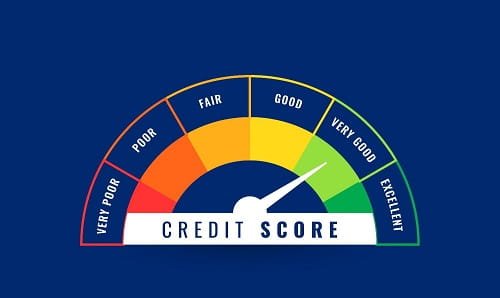
Your credit score is one of the most financially consequential numbers in your life — a three-digit figure that determines whether you get approved for a home loan, at what interest rate you borrow money, and how banks and financial institutions perceive your financial character. In India, credit scores are generated by four bureaus — CIBIL, Experian, Equifax, and CRIF High Mark — with CIBIL being the most widely used. Scores range from 300 to 900, and anything above 750 is generally considered excellent for loan and credit card approvals.
If your credit score is below where you want it — or if you are building credit for the first time — the good news is that meaningful improvement is achievable within 6–12 months through disciplined, consistent actions. This guide covers exactly what drives your score and what you can do right now to improve it.
What Makes Up Your Credit Score
Understanding the components of your score tells you exactly where to focus your improvement efforts. While bureaus do not publish the exact weightage of each factor, credit experts generally acknowledge the following drivers:
Payment history (highest impact) — Whether you pay your credit card bills and loan EMIs on time is the single most influential factor. Even one missed payment can drop your score by 50–100 points.
Credit utilisation ratio — How much of your available credit limit you are using. Using above 30% of your total credit limit consistently signals financial stress to lenders.
Length of credit history — How long your oldest credit account has been active. Longer history generally improves scores.
Credit mix — Having a balanced combination of secured credit (home loan, car loan) and unsecured credit (credit cards, personal loans) is viewed positively.
New credit inquiries — Every time you apply for a new credit card or loan, a hard inquiry is recorded, which temporarily reduces your score.
Steps to Improve Your Credit Score
1. Pay Every Bill on Time — Without Exception
This is the fastest and most impactful improvement action available. Set up auto-pay or standing instructions for every credit card minimum due amount and every loan EMI. Even if you cannot pay the full outstanding balance, paying at least the minimum due amount by the due date preserves your payment history.
Going forward, commit to paying your entire credit card outstanding balance — not just the minimum — every month. Paying only the minimum keeps you out of default but does not reduce your outstanding debt and incurs high interest charges (typically 36–42% annually).
2. Reduce Your Credit Utilisation Below 30%
If your total credit card limit across all cards is ₹1,00,000 and your monthly outstanding balance is ₹45,000, your credit utilisation is 45% — considered high by scoring models. Bring this below 30% — ideally below 20% — by paying down outstanding balances aggressively or requesting a credit limit increase from your card issuer without increasing spending.
Spreading your spending across multiple cards can also reduce utilisation on each individual card — if the same ₹45,000 spending is spread across cards with a combined limit of ₹2,00,000, your utilisation drops to 22.5%.
3. Check Your Credit Report for Errors
Credit report errors are more common than most people realise — incorrectly recorded missed payments, duplicate accounts, wrong personal information, or outdated negative records that should have been removed can artificially suppress your score. You are entitled to one free credit report annually from each bureau at their official websites.
Review your CIBIL report carefully. If you find errors, raise a dispute directly with CIBIL through their online dispute resolution portal. Bureaus are required to investigate and resolve disputes within 30 days. Correcting even one erroneous negative record can lift your score significantly.
4. Do Not Close Old Credit Cards
Many people instinctively close credit cards they no longer use — but this can harm your score by reducing your total available credit limit (increasing utilisation) and potentially eliminating your oldest credit account (reducing average credit age). Keep old cards active with minimal usage — use each card for one small purchase every 3–6 months to prevent the issuer from closing it due to inactivity.
5. Avoid Multiple Credit Applications in a Short Period
Each credit card or loan application triggers a hard inquiry on your credit report. Multiple applications within a short timeframe signal credit-seeking behaviour that lenders interpret as financial stress. Space out credit applications by at least 6 months. If you are planning a major loan application — home loan or car loan — avoid applying for any new credit in the 6–12 months preceding it.
6. Build Credit History If You Have None
If you have no credit history at all — common for young adults and those who have always used only debit cards — lenders have no data on which to base a score. Build credit history through one of these approaches: apply for a secured credit card (backed by a fixed deposit), take a small consumer loan and repay it perfectly, or become an authorised user on a family member’s credit card.
Realistic Timeline for Score Improvement
Significant late payments and defaults take 7 years to fall off a credit report, but their impact on your score reduces over time as positive history accumulates. With consistent on-time payments and responsible utilisation management:
Scores below 600 can typically improve to 650–700 within 6–12 months. Scores in the 650–700 range can reach 750+ within 12–18 months of disciplined credit management. A score above 750 maintained for 6+ months qualifies you for the best loan interest rates available.
Frequently Asked Questions (FAQs)
Q: What is a good credit score in India?
A: 750 and above is considered excellent. 700–750 is good. Below 650 will result in loan rejections or high interest rates.
Q: How often is my CIBIL score updated?
A: CIBIL scores are typically updated monthly as lenders report payment data.
Q: Does checking my own credit score hurt it?
A: No — checking your own score is a soft inquiry and does not affect your score in any way.
Q: Can I improve my score in 3 months?
A: Meaningful improvement in 3 months is possible if the primary issue is high utilisation — reducing it quickly can lift scores noticeably. Payment history improvements take longer to reflect.