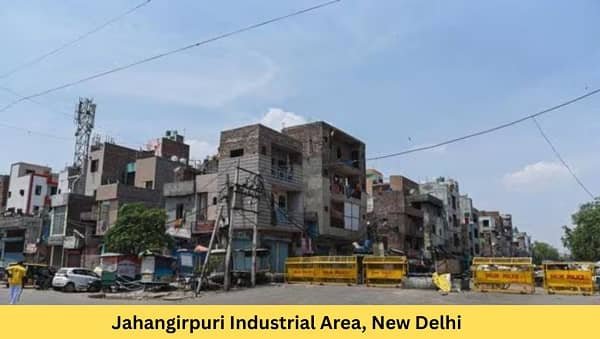
Jahangirpuri Industrial Area is an important manufacturing and small-scale industrial cluster located in North New Delhi. Positioned near the Grand Trunk Road corridor and surrounded by dense residential neighborhoods, the area has developed into a vital hub for micro, small, and medium enterprises (MSMEs). Over the years, hundreds of small factories and workshops have been established here, producing goods that supply markets across Delhi and the wider National Capital Region.
The industrial estate is managed primarily by the Delhi State Industrial and Infrastructure Development Corporation, which oversees maintenance, infrastructure upgrades, and redevelopment initiatives. With improved metro connectivity and ongoing infrastructure improvements, Jahangirpuri Industrial Area continues to support thousands of workers and small businesses.
Jahangirpuri Industrial Area, New Delhi Quick Overview
| Category | Details |
| Location | North Delhi |
| Industrial Estate | Jahangirpuri Industrial Area |
| PIN Code | 110033 |
| Managing Authority | Delhi State Industrial and Infrastructure Development Corporation |
| Major Industries | Plastics, Metal Fabrication, Packaging, Electrical Components |
| Major Road | Grand Trunk Road |
| Nearby Metro Station | Jahangirpuri Metro Station |
| Nearby Metro Interchange | Majlis Park Metro Station |
| Nearby Landmark | Bhalswa Horseshoe Lake |
| Nearby Areas | Mahendra Park, Mukarba Chowk |
Industrial Landscape and Key Sectors
Jahangirpuri Industrial Area hosts a dense network of small manufacturing units and workshops. These units typically belong to the MSME sector and are engaged in the production of industrial components and consumer goods.
Plastic manufacturing and recycling units form a significant portion of the industrial activity in the area. Many factories produce plastic containers, packaging materials, and molded components used in various industries.
Metal fabrication and small engineering workshops are also common. These units manufacture machine parts, metal fittings, and industrial tools that are supplied to construction and manufacturing companies.
Other industries operating within the industrial estate include electrical component manufacturing, packaging industries, and small-scale machinery repair businesses.
Because of its MSME focus, the industrial ecosystem relies heavily on small workshops and supplier networks rather than large manufacturing plants.
Connectivity and Transportation
Connectivity is one of the key advantages of Jahangirpuri Industrial Area. The industrial belt lies close to Grand Trunk Road, which connects Delhi with Haryana and northern states.
Public transport connectivity is supported by the Jahangirpuri Metro Station, providing direct metro access to central Delhi and other major commercial districts.
The nearby Majlis Park Metro Station connects the area with the Delhi Metro Pink Line, which forms part of the circular “Ring Metro” network. This development has improved connectivity for workers commuting from different parts of the city.
Major intersections such as Mukarba Chowk also serve as key road junctions connecting the area with highways leading to Haryana and Punjab.
Infrastructure and Industrial Facilities
The industrial estate includes a mix of flatted factory complexes, industrial sheds, and standalone manufacturing units. Many of these buildings house multiple small factories operating within the same structure.
Authorities have initiated infrastructure maintenance projects to improve drainage systems, internal roads, and sanitation facilities within the industrial area.
Maintenance contracts and tenders are periodically issued by the Delhi State Industrial and Infrastructure Development Corporation to ensure proper upkeep of factory complexes and public infrastructure.
These improvements are aimed at supporting the growing industrial workforce and improving the working environment within the estate.
Real Estate and Rental Trends
Jahangirpuri remains one of the more affordable industrial areas in Delhi compared with other established industrial estates.
Industrial properties in the area include small factory units, warehouses, and commercial workshops. These spaces are often rented or purchased by small manufacturing businesses due to relatively lower costs.
Residential housing in nearby areas such as Mahendra Park and Sanjay Enclave offers accommodation options for industrial workers and small business owners.
Rental demand remains strong for small apartments and studio units because many factory workers prefer to live close to their workplaces.
Economic Importance
Jahangirpuri Industrial Area plays a crucial role in supporting Delhi’s small-scale manufacturing sector. Thousands of workers are employed in factories, workshops, and small industrial units operating in the region.
The industrial ecosystem also supports transport operators, packaging suppliers, equipment repair services, and raw material distributors.
Because of its location in North Delhi and proximity to major transport routes, the area serves as an important supply chain hub for small businesses.
Environmental and Infrastructure Challenges
Like many older industrial areas in Delhi, Jahangirpuri faces environmental challenges related to pollution and waste management. Industries using heating processes or chemical treatments are subject to strict monitoring.
Authorities such as the Delhi Pollution Control Committee enforce regulations to ensure industries comply with emission and pollution standards.
Traffic congestion and aging infrastructure in some parts of the industrial area also require continuous improvement and modernization.
Future Growth Potential
With improved metro connectivity and ongoing redevelopment initiatives, Jahangirpuri Industrial Area is expected to remain an important hub for MSMEs in Delhi.
Infrastructure upgrades and urban development projects in North Delhi will likely strengthen business activity and improve working conditions for industrial units.
As the demand for small-scale manufacturing and logistics services continues to grow, the area is expected to maintain its role in supporting Delhi’s industrial economy.
Conclusion
Jahangirpuri Industrial Area in New Delhi is a key center for small-scale manufacturing and industrial activity. Its network of MSMEs, strong transport connectivity, and strategic location near major highways make it an important part of Delhi’s industrial landscape.
Despite infrastructure and environmental challenges, the area continues to support thousands of businesses and workers, contributing significantly to the economic activity of North Delhi.