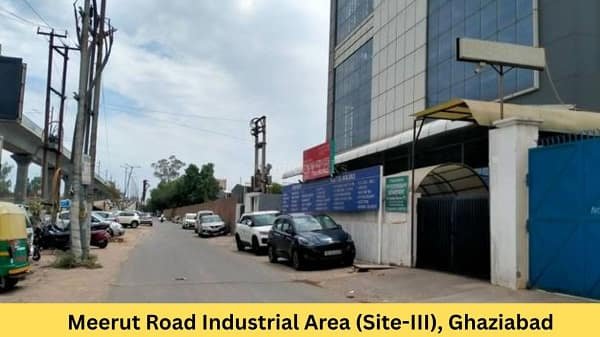
Kavi Nagar Industrial Area is one of the most established industrial clusters located in Ghaziabad. Positioned in the central part of the city, the industrial estate plays an important role in the manufacturing and commercial economy of the National Capital Region (NCR). Over the years, it has developed into a dense hub of small and medium enterprises that supply engineering products, machinery components, and industrial goods across northern India.
The industrial area benefits from its strategic location near major highways and transit corridors. Because of this connectivity, many logistics companies, engineering workshops, and manufacturing units operate within the estate. The area is also surrounded by residential neighborhoods, making it convenient for workers and business owners to access the industrial zone easily.

Kavi Nagar Industrial Area Quick Overview
| Category | Details |
| Location | Kavi Nagar, Ghaziabad |
| State | Uttar Pradesh |
| Industrial Estate | Kavi Nagar Industrial Area |
| PIN Code | 201002 |
| Distance from Delhi | Approx. 20 km |
| Major Industries | Engineering, Metal Fabrication, Packaging, Machinery |
| Nearby Highway | National Highway 9 |
| Nearest Railway Station | Ghaziabad Junction Railway Station |
| Nearby Transit | Shaheed Sthal Metro Station |
| Industrial Authority | Uttar Pradesh Industrial Development Authorities |
Industrial Landscape and Key Sectors
Kavi Nagar Industrial Area hosts a wide range of small and medium-scale industries. These industries form an essential part of Ghaziabad’s manufacturing ecosystem.
Engineering and fabrication units are among the most common businesses operating in the area. These factories manufacture machine components, industrial tools, and fabricated metal structures used in construction and manufacturing.
Metal processing and steel fabrication also represent major sectors in the industrial cluster. Many workshops specialize in cutting, welding, casting, and shaping metal products.
Packaging and plastic product manufacturing units are also present within the industrial estate. These companies produce packaging materials for consumer goods, electronics, and industrial equipment.
In addition, several small machinery workshops operate in the region, supplying spare parts and mechanical equipment to factories across the NCR.
Infrastructure and Industrial Facilities
The industrial estate includes a network of factories, warehouses, workshops, and commercial units. Internal roads connect the industrial plots and provide access for trucks transporting goods to regional markets.
Industrial infrastructure in the area includes electricity supply networks, water systems, and basic logistics support facilities. Over time, the local administration has undertaken projects to improve drainage systems, road conditions, and lighting within the industrial belt.
The presence of nearby residential areas also supports the workforce employed in the industrial zone.
Connectivity and Transportation
Connectivity is one of the biggest advantages of Kavi Nagar Industrial Area. The industrial estate is located close to National Highway 9, which connects Ghaziabad to Delhi and Meerut.
This highway is a major freight corridor, enabling goods produced in the industrial area to reach markets throughout northern India.
Rail transportation is available through Ghaziabad Junction Railway Station, one of the busiest railway stations in the region.
Metro connectivity is also accessible through Shaheed Sthal Metro Station, providing convenient travel options for employees commuting from Delhi and nearby NCR cities.
The presence of these transportation networks makes Kavi Nagar Industrial Area an important logistics location.
Real Estate and Commercial Development
The growth of industrial activities in Kavi Nagar has contributed to increasing demand for commercial and residential properties in the surrounding areas.
Industrial plots and factory spaces in the area are used by manufacturing units, storage facilities, and service providers. Commercial establishments such as repair shops, equipment suppliers, and logistics companies also operate near the industrial zone.
Residential colonies near Kavi Nagar provide housing for workers, engineers, and business owners associated with local industries.
Because of its central location in Ghaziabad and proximity to Delhi, the real estate market around the industrial estate remains active.
Economic Importance
Kavi Nagar Industrial Area plays a significant role in Ghaziabad’s economy. Hundreds of small and medium enterprises operate within the industrial cluster, generating employment for thousands of workers.
The industries in the area supply products and services to sectors such as construction, engineering, packaging, and machinery manufacturing.
Local supply chains and ancillary industries have also developed around the industrial zone, creating a complete ecosystem for manufacturing businesses.
Environmental and Regulatory Oversight
Industrial activities in the area are regulated by authorities such as the Uttar Pradesh Pollution Control Board.
Factories are required to follow environmental regulations related to waste disposal, emissions, and industrial safety.
Local administration also monitors infrastructure maintenance and compliance with industrial zoning rules to ensure orderly development within the estate.
Future Outlook
Kavi Nagar Industrial Area is expected to remain an important manufacturing and logistics hub in Ghaziabad. Continued infrastructure improvements and better connectivity to Delhi and other NCR cities will support the growth of industrial activities.
The increasing demand for engineering products, packaging materials, and industrial components is likely to sustain the industrial ecosystem in the area.
Conclusion
Kavi Nagar Industrial Area in Ghaziabad continues to function as a vital manufacturing cluster within the NCR region. Its strategic location near major highways, railway stations, and metro connectivity has helped it become an attractive destination for small and medium industries.
With its established industrial base and strong logistics connections, the area remains an important contributor to the economic activity of Ghaziabad and the wider National Capital Region.