Rural India is in the midst of a profound economic transformation — improved road connectivity, widespread smartphone penetration, digital payment infrastructure through Jan Dhan accounts and UPI, and government programmes like PM Kisan and Skill India have collectively created business opportunities in rural areas that did not exist a decade ago. The narrative that entrepreneurship is exclusively an urban pursuit has been comprehensively dismantled by the thousands of rural entrepreneurs building successful businesses from villages, small towns, and agricultural communities across the country.
Rural business ideas succeed when they address genuine local needs, leverage available local resources, require minimal upfront capital, and are positioned for the specific consumption patterns and infrastructure realities of rural markets. This guide presents five practical, low-investment business ideas that have demonstrated success in India’s rural and semi-urban contexts.
1. Dairy and Poultry Farming
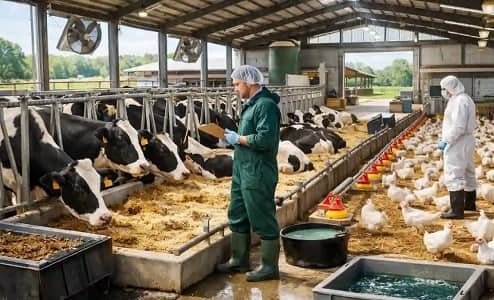
India is the world’s largest milk producer, and demand for fresh dairy products, eggs, and poultry continues growing at 8–10% annually. Small-scale dairy farming with 2–5 cows or buffaloes, or a layer hen unit with 200–500 birds for egg production, requires modest initial investment but generates consistent daily income with proven demand from local households, tea stalls, sweet shops, and direct consumers.
Investment required — A 5-cow dairy unit requires ₹1–2 lakh for animals and basic infrastructure. Government schemes including PM Mudra Loan, NABARD Dairy Development Scheme, and state animal husbandry subsidies provide subsidised financing for qualified applicants.
Earning potential — A 5-cow unit producing 50 litres of milk daily at ₹30–₹45 per litre generates ₹1,500–₹2,250 daily or ₹45,000–₹67,500 monthly. After feed and operating costs (approximately 50%), net monthly income of ₹22,000–₹33,000 is achievable — exceptional rural income.
2. Kirana Store with Digital Payments Integration
The neighbourhood kirana store remains the backbone of rural retail — but the integration of digital payments, home delivery through WhatsApp orders, and the stocking of FMCG brands that rural consumers increasingly demand has transformed the humble kirana into a genuinely viable small business.
Investment required — ₹50,000–₹1,50,000 for initial inventory and basic shop infrastructure. Jan Aushadhi franchise integration (government generic medicines programme) can add an additional revenue stream to a basic kirana.
Enhancements for profitability — Becoming a CSC (Common Service Centre) operator — offering Aadhaar services, insurance premium collection, utility bill payments, and government form submission — adds service income to product retail. Mobile recharge, banking correspondent services, and LPG booking commissions add further revenue streams to the basic kirana model.
3. Agri-Based Value Addition Business
Raw agricultural produce — fruits, vegetables, spices, and grains — has significantly higher market value when minimally processed. Solar-dried vegetables, packaged homemade pickles and chutneys, jaggery and coconut oil processing, turmeric and chilli powder grinding and packaging, and pulses cleaning and packaging are all value-addition businesses that can be built around locally available agricultural produce at very low investment.
Investment required — ₹15,000–₹75,000 for basic processing equipment, packaging materials, and FSSAI food business registration.
Market access — Rural entrepreneurs have sold value-added agricultural products through e-NAM (National Agriculture Market), Amazon, Flipkart Samarth, and Meesho — platforms specifically designed to connect rural producers with urban consumers. Women self-help group (SHG) networks provide collective marketing power and access to government schemes like PM FME (Formalisation of Micro Food Enterprises).
4. Mobile Repair and Electronic Services Shop
Smartphone penetration in rural India has created consistent demand for mobile phone repair, screen replacement, battery replacement, and basic electronics services in areas where the nearest authorised service centre may be 30–50 km away. A basic mobile repair training course (2–4 weeks, ₹5,000–₹15,000) and a set of repair tools (₹3,000–₹8,000) are sufficient to establish a service that commands ₹200–₹1,500 per repair job.
Service expansion — Selling mobile accessories (screen guards, cases, chargers), providing mobile recharge and bill payment services, offering basic computer servicing, and selling second-hand refurbished phones expand the revenue base beyond repair services alone.
Earning potential — A rural mobile repair shop serving 10–15 customers daily earns ₹25,000–₹60,000 monthly — among the highest service-sector incomes available in a rural small-town setting.
5. Transport and Logistics Service
Rural India’s last-mile connectivity needs — transporting agricultural produce to mandis, delivering e-commerce orders to villages, and providing local transport for students and workers — create consistent demand for small-vehicle transport services. A tractor with trolley for agricultural use, a mini-truck for goods transport, or a tempo for local passenger service all serve genuine, daily needs.
Government support — Pradhan Mantri Mudra Yojana (PMMY) provides loans up to ₹10 lakh for transport vehicle purchase under the Kishore and Tarun categories. State transport department subsidies for commercial vehicle purchase are available in many states.
Earning potential — Agricultural transport during harvest season earns ₹1,500–₹3,000 daily. Year-round logistics for local businesses and e-commerce delivery partnerships with companies like Amazon Flex and Delhivery provide consistent income during off-seasons.
Frequently Asked Questions (FAQs)
Q: What is the best business for a village with minimal investment?
A: Kirana store with digital payment integration offers the most accessible entry point with broadest revenue potential through service additions.
Q: Are there government schemes for rural entrepreneurs?
A: Yes — PM Mudra Loan, PMEGP (Prime Minister’s Employment Generation Programme), NABARD schemes, and state-specific rural entrepreneurship schemes provide subsidised financing and grants.
Q: Can rural businesses sell online?
A: Yes — Amazon, Flipkart Samarth, Meesho, and e-NAM specifically support rural producers and sellers with simplified onboarding and logistics support.