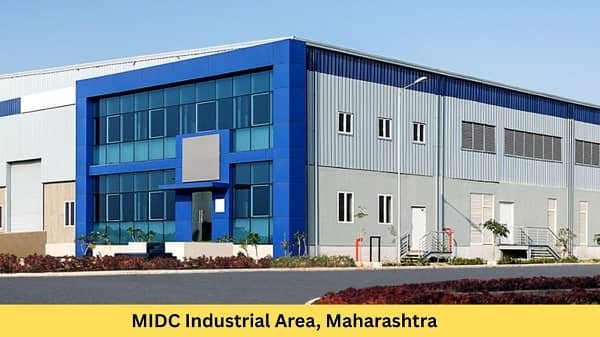
MIDC Industrial Areas are among the most important industrial zones in India. Developed by the Maharashtra Industrial Development Corporation, these industrial estates form the backbone of Maharashtra’s manufacturing and industrial economy. Unlike many industrial zones that exist in a single location, MIDC represents a large network of planned industrial estates spread across the state.
Since its establishment in 1962, MIDC has created more than 280 industrial areas covering thousands of acres of land. These industrial clusters support industries ranging from automobiles and engineering to chemicals, pharmaceuticals, and information technology. Today, MIDC estates play a crucial role in the economic development of Maharashtra and attract both domestic and international investments.
MIDC Industrial Area Quick Overview
| Category | Details |
| Developed By | Maharashtra Industrial Development Corporation (MIDC) |
| Established | 1962 |
| Total Industrial Estates | 280+ |
| Major Locations | Pune, Navi Mumbai, Nashik, Nagpur, Kolhapur |
| Key Industries | Automobile, Chemicals, Engineering, IT, Pharmaceuticals |
| Major Industrial Cities | Pune, Navi Mumbai, Nagpur |
| Land Allocation System | MIDC Online Portal (MILAAP) |
| Environmental Monitoring | Maharashtra Pollution Control Board |
MIDC industrial areas are strategically located near major highways, ports, and airports to ensure efficient transportation of goods and raw materials.
Industrial Ecosystem and Key Sectors
MIDC estates host a wide variety of industries, making Maharashtra one of the most industrialized states in India. These industrial zones support thousands of micro, small, and large enterprises across different sectors.
Some of the most important sectors operating in MIDC industrial areas include:
- Automobile manufacturing and auto components
- Chemical and petrochemical industries
- Pharmaceutical manufacturing
- Engineering and heavy machinery production
- Information technology and electronics manufacturing
Many multinational companies operate within MIDC zones because of the strong infrastructure and government support available in these industrial estates.
Major MIDC Industrial Clusters
Several MIDC industrial areas have gained national and global importance due to their specialization and large industrial presence.
Chakan MIDC, Pune
Chakan MIDC is widely known as one of India’s largest automobile manufacturing hubs. Located around 30 kilometers from Pune, the industrial area hosts major automobile companies.
Leading companies such as Mercedes-Benz India, Volkswagen India, Mahindra & Mahindra, and Bajaj Auto operate manufacturing plants in this region.
Chakan MIDC is often referred to as the “Detroit of India” because of its strong automobile industry ecosystem.
Taloja MIDC, Navi Mumbai
Taloja MIDC is one of the oldest industrial estates in the Mumbai region. The area is known for its chemical, pharmaceutical, and engineering industries.
Its location near Jawaharlal Nehru Port makes it highly suitable for export-oriented industries. The area also benefits from proximity to the upcoming Navi Mumbai International Airport.
Butibori MIDC, Nagpur
Butibori MIDC is one of the largest industrial estates in central India. Located near Nagpur, it serves as a major logistics and manufacturing hub in the Vidarbha region.
Industries in this area focus on solar energy manufacturing, textiles, heavy engineering, and electronics production.
The nearby MIHAN project has further strengthened Nagpur’s position as a logistics and industrial center.
TTC Industrial Area, Navi Mumbai
The TTC Industrial Area is another important MIDC zone located along the Thane–Belapur Road corridor.
Originally known for heavy chemical industries, the area has now transformed into a major IT and data center hub. Several international companies have established large data centers and technology facilities here.
Infrastructure and Industrial Facilities
MIDC industrial areas are designed with modern infrastructure that supports manufacturing and industrial operations. Industrial plots are organized with wide roads, drainage systems, power supply, and water facilities.
Logistics infrastructure such as warehouses, container depots, and transport hubs also operate in many MIDC estates.
The Maharashtra government has also introduced online land allotment systems through the MILAAP portal, which allows investors to view available plots and complete the application process digitally.
Environmental monitoring is carried out by the Maharashtra Pollution Control Board to ensure industries follow pollution control regulations.
Residential and Social Infrastructure
Many MIDC industrial areas are surrounded by well-developed residential and commercial zones. Cities such as Pune, Navi Mumbai, and Nashik provide housing, schools, hospitals, and shopping centers for professionals working in these industrial estates.
Educational institutions and engineering colleges in Maharashtra also supply skilled manpower to industries operating in MIDC zones.
Healthcare facilities and transport infrastructure further support the workforce and business community.
Challenges and Industrial Issues
Despite their success, MIDC industrial areas face several challenges. Environmental management is an important issue, especially in chemical and petrochemical clusters.
Traffic congestion and logistics bottlenecks can also occur in rapidly growing industrial regions.
Industrial authorities continue to invest in infrastructure upgrades, environmental monitoring, and sustainable industrial practices to address these challenges.
Future Growth Potential
MIDC industrial areas are expected to play an even larger role in India’s manufacturing growth. New investments in electric vehicles, renewable energy, electronics manufacturing, and data centers are expanding the industrial base.
Government initiatives aimed at promoting manufacturing and exports are also encouraging more companies to establish facilities in MIDC estates.
With continued modernization and strong infrastructure, MIDC industrial areas will remain key pillars of Maharashtra’s economic growth.
Conclusion
MIDC Industrial Areas represent the backbone of Maharashtra’s industrial ecosystem. With hundreds of industrial estates, strong infrastructure, and a diverse range of industries, the MIDC network supports thousands of businesses and millions of jobs.
As industrial investment continues to grow, these industrial zones will remain crucial to the manufacturing strength and economic development of Maharashtra and India.