The transformation of India’s stock market is one of the country’s most significant financial technology developments. Trading floors once filled with shouting brokers, handwritten orders, and physical share certificates have largely disappeared from everyday stock transactions. Today, securities worth enormous amounts change hands electronically through interconnected trading systems.
This transformation did not happen overnight. It required improvements in telecommunications, exchange infrastructure, securities regulation, and electronic ownership records.
Online trading replaced traditional floor-based stock exchanges because electronic systems offered faster execution, greater transparency, wider market access, and more efficient settlement processes.
India’s transition was particularly important because it helped move securities trading beyond a limited network of physical exchange floors and established the foundation for modern digital investing.
When Stock Trading Required Physical Presence
Before electronic trading became widespread, Indian stock exchanges relied heavily on an open-outcry system.
Brokers gathered at designated trading locations and communicated buying and selling interests through verbal bids and hand signals.
The Bombay Stock Exchange, established in 1875, became closely associated with this traditional trading culture.
Investors generally placed orders through brokers, who arranged transactions using the exchange’s established procedures.
Trading depended on human communication, manual recordkeeping, and physical documentation.
This system supported India’s securities market for decades, but it had limitations.
Order execution could be slower, market access was geographically concentrated, and transaction records were more difficult to process efficiently.
Physical share certificates also created separate challenges involving delivery, verification, loss, forgery, and ownership transfers.
The National Stock Exchange Changed the Direction of Trading
A major turning point arrived with the establishment of the National Stock Exchange (NSE) in 1992.
NSE began operations in the wholesale debt market in 1994 and introduced trading in its capital market segment later that year.
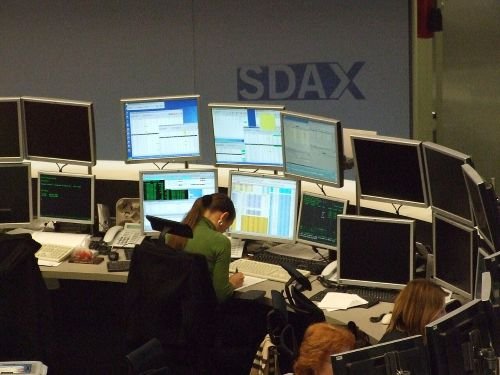
Unlike traditional exchange floors, NSE adopted a nationwide, screen-based electronic trading system.
This allowed authorised trading members to access the market through connected terminals rather than gathering at one physical location.
The significance extended beyond convenience.
Electronic order matching created a more structured process for bringing buyers and sellers together.
Orders could be prioritised according to the exchange’s trading rules, reducing dependence on direct negotiations between brokers.
This development accelerated competition and encouraged technological modernisation across India’s securities market.
How BSE Moved Away From Open-Outcry Trading
The Bombay Stock Exchange also recognised the need to modernise.
In 1995, BSE introduced its electronic trading platform, known as BOLT, or BSE On-Line Trading.
The system replaced the traditional open-outcry approach with screen-based transactions.
Instead of brokers physically negotiating trades on the exchange floor, orders could be entered and matched electronically.
This transition represented a fundamental change in market infrastructure.
The exchange floor was no longer essential for executing ordinary securities transactions.
Although the transition required substantial investment in technology and operational systems, it helped improve trading efficiency and expand market participation.
What Actually Happens During Electronic Order Matching?
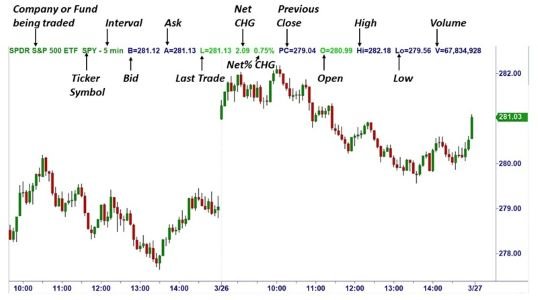
Online trading operates through electronic communication between investors, brokers, and stock exchanges.
When an eligible investor places an order through a broker’s trading platform, the order is transmitted through the broker’s systems to the relevant exchange, subject to applicable checks.
The exchange’s trading system attempts to match compatible buying and selling orders.
For example, a purchase order may execute when a corresponding sell order is available at an acceptable price.
The trading platform does not create a guaranteed buyer or seller. It connects orders according to the exchange’s matching rules.
Once a transaction is executed, clearing and settlement systems handle the resulting obligations.
This process differs substantially from the manual coordination required during traditional floor-based trading.
Dematerialisation Solved the Physical Share Certificate Problem
Electronic trading alone could not eliminate every difficulty associated with securities transactions.
India also needed a system for holding and transferring ownership records electronically.
The Depositories Act, 1996, helped establish the legal framework for dematerialised securities.
National Securities Depository Limited (NSDL) commenced operations in 1996, while Central Depository Services (India) Limited (CDSL) began operations in 1999.
These depositories enabled eligible securities to be held electronically through demat accounts.
The transition reduced dependence on physical certificates and simplified ownership transfers.
It also addressed several longstanding problems associated with paperwork and certificate handling.
Why Online Trading Became More Efficient
The advantages of electronic trading extended across multiple stages of a transaction.
Important improvements included:
- Speed: Electronic systems process orders much faster than traditional manual arrangements.
- Transparency: Investors can access market prices and trading information more readily.
- Geographical reach: Authorised market access no longer depends on proximity to an exchange floor.
- Recordkeeping: Electronic transaction records simplify monitoring and reconciliation.
- Settlement efficiency: Modern clearing and depository systems support more streamlined securities transfers.
- Market surveillance: Exchanges and regulators can use electronic data to monitor unusual trading activity.
These improvements helped create a more accessible and organised securities market.
However, technology did not eliminate investment risk or guarantee profitable transactions.
Internet Trading Brought the Market Closer to Individual Investors
Screen-based trading initially transformed how brokers interacted with exchanges.
The next major development involved providing investors with direct access to electronic trading interfaces.
As internet connectivity improved, brokerage firms introduced online platforms that allowed eligible customers to submit orders remotely.
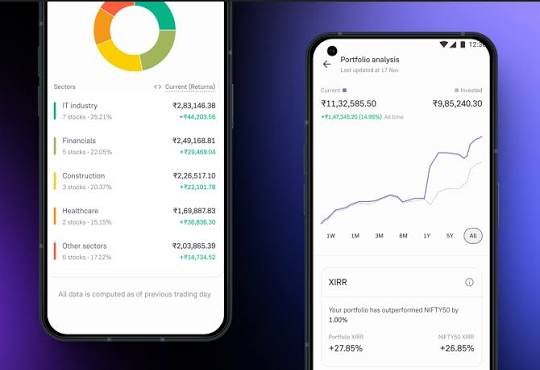
Later, smartphones and mobile applications made market information and order placement more accessible.
Investors no longer needed to communicate every instruction through a telephone conversation with a broker.
Nevertheless, transactions continued to operate through regulated intermediaries and exchange infrastructure.
Online access changed the method of participation, not the underlying uncertainty of market prices.
India’s Settlement System Continued to Evolve
Modernisation also transformed the period between trade execution and securities settlement.
India progressively shortened settlement timelines as clearing and depository infrastructure improved.
The standard equity settlement cycle moved to T+1, meaning settlement generally occurs on the next working day after the trade date.
India has also introduced an optional T+0 settlement framework for eligible securities and participating market intermediaries, subject to applicable arrangements.
These developments demonstrate how electronic infrastructure can improve operational efficiency.
However, settlement timing depends on the applicable segment, eligibility conditions, and exchange calendar.
Frequently Asked Questions
Q1. When did electronic stock trading begin in India?
A: NSE introduced screen-based capital market trading in 1994. BSE followed with its BOLT electronic trading system in 1995, accelerating the transition away from traditional open-outcry trading.
Q2. Why did stock exchanges stop using trading floors?
A: Electronic trading offered faster order processing, better recordkeeping, wider geographical access, and more systematic order matching than traditional floor-based arrangements.
Q3. Did online trading eliminate the need for stockbrokers?
A: No. Investors generally access recognised exchanges through authorised stockbrokers. Online platforms changed how customers submit orders but did not remove the role of regulated intermediaries.
Q4. What role did demat accounts play in electronic trading?
A: Demat accounts enabled securities to be held electronically, reducing reliance on physical share certificates and simplifying ownership transfers through depository systems.
Q5. Is electronic trading completely free from risk?
A: No. Electronic systems improve transaction efficiency, but market volatility, technical disruptions, execution uncertainty, and investment losses remain possible.