Doddaballapur Industrial Area is a well-established industrial cluster located in the Bengaluru Rural district of Karnataka. Situated to the north of Bengaluru city, the area has developed into a key hub for textile manufacturing, engineering industries, and industrial production. It plays an important role in supporting the industrial growth of the region beyond Bengaluru’s urban core.
Developed and managed by the Karnataka Industrial Areas Development Board (KIADB), Doddaballapur Industrial Area is a planned industrial estate with a mix of MSMEs and larger industrial units. The region is especially known for its textile and garment industries, which have been operating here for decades.
With strong connectivity and a growing industrial base, Doddaballapur Industrial Area continues to be an important industrial destination in Karnataka.
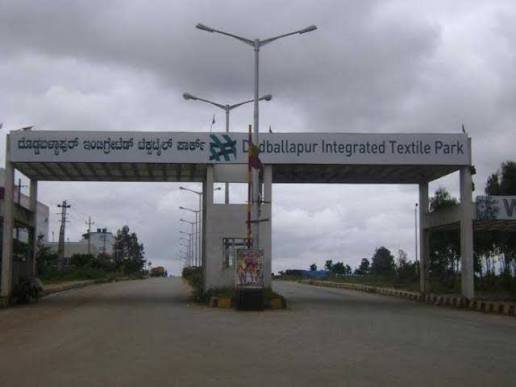
Doddaballapur Industrial Area, Bengaluru Rural — Quick Overview
| Category | Details |
| Location | Bengaluru Rural, Karnataka |
| Industrial Estate | Doddaballapur Industrial Area |
| PIN Code | 561203 |
| Nearby Localities | Yelahanka, Rajanukunte, Devanahalli |
| Major Industries | Textiles, Manufacturing, Engineering, Garments |
| Nearest Airport | Kempegowda International Airport |
| Key Highway | NH-44 |
| Nearby Railway Station | Doddaballapur Railway Station |
| Managing Authority | KIADB |
| Industrial Structure | MSME + Medium Units |
Industrial Ecosystem and Key Sectors
Doddaballapur Industrial Area hosts a diverse industrial ecosystem, with a strong focus on textile and garment manufacturing. The area is widely known for its contribution to Karnataka’s textile industry.
Numerous units operate in textile processing, garment production, and fabric manufacturing. These industries supply products to both domestic and export markets.
In addition to textiles, there are engineering and manufacturing units producing industrial goods, machine parts, and tools. Small and medium enterprises form the backbone of the local economy.
Other industries operating within Doddaballapur Industrial Area include:
- Textile and garment manufacturing units
- Fabric processing and dyeing industries
- Engineering and machine tool workshops
- Packaging and logistics companies
- Plastic and basic goods manufacturing
- Food processing and small-scale industries
This combination of industries creates a strong and interconnected industrial ecosystem.
Location and Connectivity
Doddaballapur Industrial Area benefits from strong connectivity, making it a strategic industrial location.
The area is located near NH-44, which connects Bengaluru to Hyderabad and other major cities. This highway is a key route for transportation of goods.
Air connectivity is available through Kempegowda International Airport, which is located relatively close to the industrial area.
Rail connectivity is supported by Doddaballapur Railway Station, providing access to regional and national rail networks.
Additionally, the area is well connected through local roads and transport systems, ensuring smooth movement of goods and workers.
Infrastructure and Industrial Facilities
Doddaballapur Industrial Area is a planned industrial estate with organized infrastructure.
The estate includes:
- Industrial plots and factory units
- Textile processing facilities
- Warehouses and storage units
- Internal road networks for transport
Basic utilities such as electricity, water supply, and drainage systems are available. The planned layout supports efficient industrial operations.
KIADB has implemented infrastructure maintenance and improvements to support industrial growth.
Overall, the area provides a structured and reliable industrial environment.
Residential and Social Infrastructure
Doddaballapur Industrial Area is supported by nearby towns and residential areas such as Doddaballapur town, Yelahanka, and Devanahalli.
These areas provide:
- Housing options for workers and professionals
- Schools and educational institutions
- Hospitals and healthcare facilities
- Markets and commercial establishments
The proximity to Bengaluru also offers access to advanced urban infrastructure and amenities.
This ensures a stable workforce for industries in the area.
Economic Importance
Doddaballapur Industrial Area plays a key role in Karnataka’s industrial economy, especially in the textile sector.
It contributes to:
- Production and export of garments and textiles
- Employment generation for thousands of workers
- Growth of supporting industries and supply chains
The area also supports regional economic development by providing opportunities for small businesses and entrepreneurs.
Challenges and Industrial Issues
- Despite its strengths, Doddaballapur Industrial Area faces certain challenges.
- Infrastructure maintenance and modernization are ongoing needs as industries expand.
- Environmental compliance is important, particularly for textile processing units that require proper waste management.
- Traffic and logistics issues can arise during peak hours.
- Authorities are working to address these challenges through planning and development initiatives.
Future Growth Potential
The future of Doddaballapur Industrial Area looks promising due to its strong industrial base and strategic location.
Key growth drivers include:
- Expansion of textile and garment industries
- Increasing demand for manufacturing and exports
- Government support for industrial development
With continued investment and infrastructure improvements, the area is expected to grow further.
Its role as a key industrial hub in Karnataka will continue to strengthen.
Conclusion
Doddaballapur Industrial Area, Bengaluru Rural is a well-established industrial cluster that plays a vital role in the region’s textile and manufacturing sectors. Its strong connectivity, organized infrastructure, and diverse industrial ecosystem make it an important hub in Karnataka.
While challenges such as environmental concerns and infrastructure upgrades remain, ongoing improvements indicate a positive future.
With continued growth and modernization, Doddaballapur Industrial Area is set to remain a key contributor to industrial development in the region.