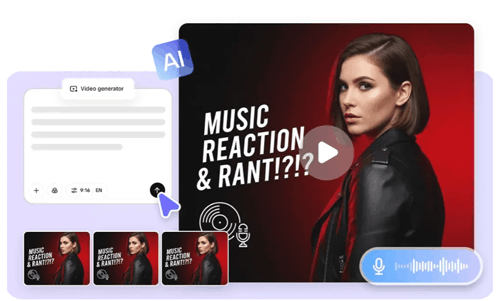
 The need for more visual diversity in marketing, storytelling, and entertainment projects is a requirement of creative video production. By trying out various artistic directions, creators can find better concepts without going through the time-consuming production process again. Pippit makes this creative process easy, offering structured video creation for style with flexible controls, reference inputs, and consistent scene development. With multiple visual identities, each project is able to create unique results and have a structured creative direction from start to finish.
Understanding Artistic Style in AI Video Creation
The artistic style determines all the visual elements in a generated video. Visual identity helps to define recognisable appearance between scenes and lighting aesthetics to create emotional impact and viewing atmosphere. Carefully curated colour palettes enhance mood with harmonious tones and contrasts. Thoughtful framing, movement, and shot selection influence perspective in camera language—composition of scene – arranging the elements to be visually clear and to make a stronger story. The movement properties define the natural behavior of characters, objects, and environments. Knowing these creative elements can help to make artful decisions rather than random visual decisions.
How Seedance 2.5 Supports Diverse Creative Styles
Pippit’s advanced creative controls make it easy to work in a variety of artistic directions. The reference-guided generation ensures good visual alignment by reliably following the inspiration materials uploaded. Cinematic motion results in smoother camera moves and realistic object motion across linked scenes. Scene consistency maintains the continuity of the appearance of the subject, colors, and composition between successive scenes. For a polished look, textures, lighting, and environment details are enhanced with realistic rendering—detailed creative instructions with no unnecessary complexity, due to the flexibility of prompting. Timestamp-controlled storytelling is a method of planning for the progression of scenes by planned visual moments. The inbuilt AI video generator enhances structured production and allows for various artistic styles in organized creative processes.

Preparing Effective Style References Before Generation
Good references give clear creative direction prior to generation. Seedance 2.5 is effective when inspirations share the same visual characteristics—not necessarily opposing art concepts. Obviously, powerful inspirations are those that carry out a familiar style over longer stretches of scenes. There will be a lot of things that will be visually different when making the product if there is no good artistic direction. Complementary references support color harmony, composition, and visual appearance of the subject. The matching lighting maintains this continuity of realistically generated sequences. There are no conflicting inputs, no inconsistent textures, camera perspectives, and environmental details are reduced. By taking care in preparation, creative accuracy can be improved and can help in predictable and visually balanced outputs within Pippit.
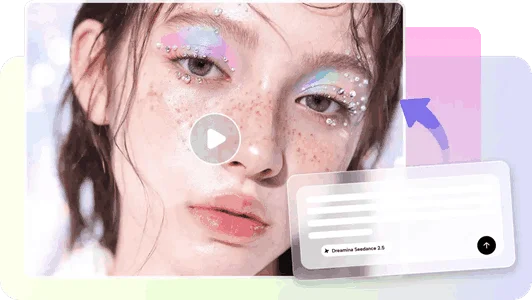
Steps to Try Multiple Artistic Styles Simultaneously with Seedance 2.5
Step 1: Explore creative styles
1. Sign up for Pippit using your Google, TikTok, or Facebook account details.
2. Open the “More” tab from the left vertical menu bar and select “Video generator”.
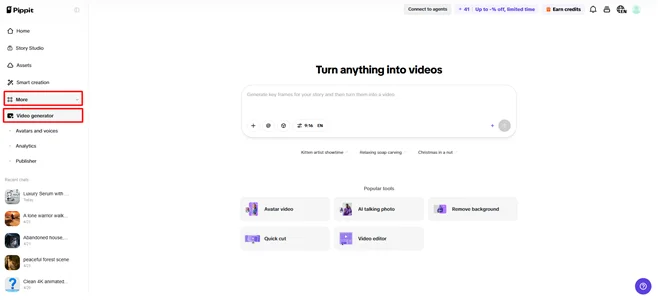
3. Choose “Dreamina Seedance 2.5” to experiment with different artistic styles.
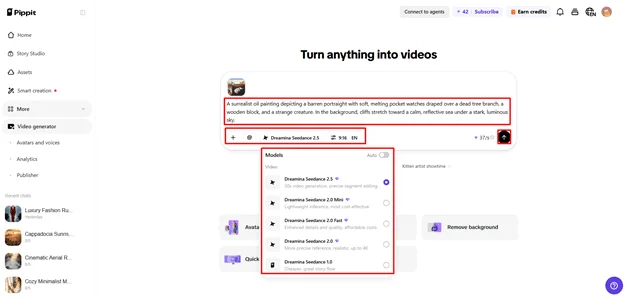
4. Enter a detailed text prompt describing your subject, scenes, mood, colors, and desired styles.
5. Select video length, language, subtitles, and aspect ratio if needed.
6. Click the “+” button to upload reference images or videos from your device, phone, Dropbox, or a link. You can also select assets without reference media.
7. Click “Generate” to create your video.
Step 2: Compare generated styles
- After clicking “Generate”, Pippit’s AI video generator creates a video from your prompt and reference media.
- The AI manages transitions, pacing, captions, avatars, voice, lyrics, and visual enhancements.
- Review different style results and choose the one that fits your creative direction.
Step 3: Customize and export
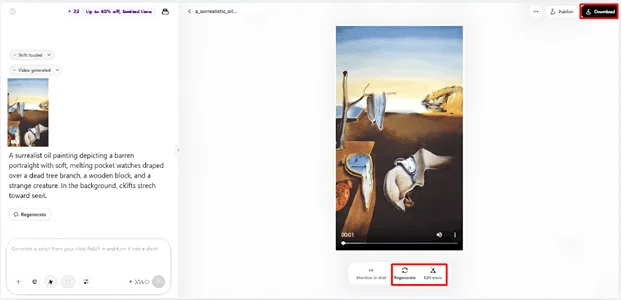
1. Click the “Download” tab to save the video, select “Regenerate” for another version, or click “Edit more” below the video for customization.
2. Edit captions, add text, and adjust size, color, alignment, filters, and effects.
3. Add background music, remove backgrounds, and refine visuals.
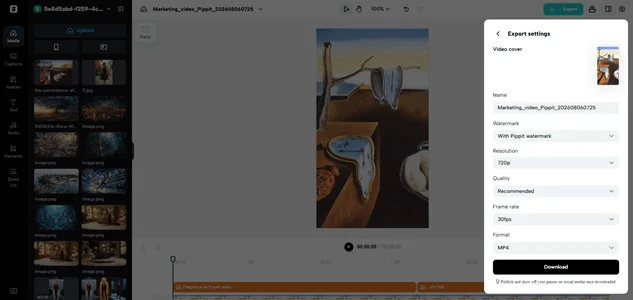
4. Click “Export” when the video is complete.
5. Select “Publish” to share on TikTok, Instagram, or Facebook, or click “Download” to save with your preferred settings.
Popular Artistic Directions to Explore
There are various types of creative styles, each providing a different opportunity for storytelling in marketing, entertainment, and educational projects. Every artistic leadership generates unique emotional effects and caters to different tastes of the people.
- Cinematic realism gives importance to natural light, believable settings, and natural camera movements.
- Minimalist visuals are simple, clean, well-organized, and use limited colors.
- Vintage-inspired aesthetics with classic tones and film textures bring back nostalgic moods with timeless styling.
- Advanced architecture, glowing elements, innovative technology, and imaginative world-building characterize futuristic environments.
- Painterly compositions evoke handcrafted artwork with painterly textures and artistic color mixing.
- Dramatic storytelling emphasizes emotional lighting, dynamic framing, meaningful pacing, and increased intensity of the story.
Combining Different Styles Without Losing Consistency
The key to successful style combinations is to be creative but not reckless. Keeping a consistent visual theme throughout each sequence gives it identity. The same type of lighting maintains realistic continuity from one artistic influence to another. Having consistent subject appearance avoids distracting visual discontinuities between adjacent scenes. If the camera moves, the viewer’s perspective moves, too, so that the story flows more smoothly than if the camera were to jump from one perspective to another. Whether it’s for artistic variation or natural progression, balanced scene pacing is crucial. To achieve visual harmony and also to be able to experiment with different creative directions in Pippit, compatible references are used without compromising professional presentation.
Prompting Strategies for Better Style Exploration
More precise/detailed prompts for visual interpretation during generation. Use descriptive emotional language to convey the intended mood before describing artistic characteristics. Describe textures that are associated with materials, surfaces, or environmental attributes that are conducive to the desired appearance. Explain how lighting can be used as direction, intensity, and atmosphere rather than using vague terms of brightness. Describe movement: Subject movement and camera movement. Use familiar film techniques and points of view to talk about framing. Use environment details, weather and colour relationships, and surrounding visual elements to control atmosphere, to create a consistent artistic identity.
Creative Advantages of Multi-Style Video Experimentation
Using several different artistic methods encourages flexibility of ideas and minimizes redundant work in the production of artworks. Various visual interpretations can help to visualize the concept more quickly and determine the final creative directions. It makes it easier to create variations in a marketing campaign for different audiences and platforms. Several creative possibilities are created from one structured workflow, making artistic exploration more practical. Good visual differentiation is essential for a project to stand out in a crowded online landscape. Organized experimentation also enhances creative decision-making, as comparisons indicate the best visual approach to communicate an idea for specific objectives.
Conclusion
Creative experimentation is more productive when done in a structured visual planning than when it is done randomly. Pippit helps to organize creative processes, ensuring consistent references, flexible prompting, polished editing, and controlled scene development. By experimenting with various styles, it enhances storytelling, marketing materials, and visual branding in various projects. Work is well prepared, prompting is judicious, and choices are creative, leading to well-finished videos that are visually coherent and unique in their artistic expression.