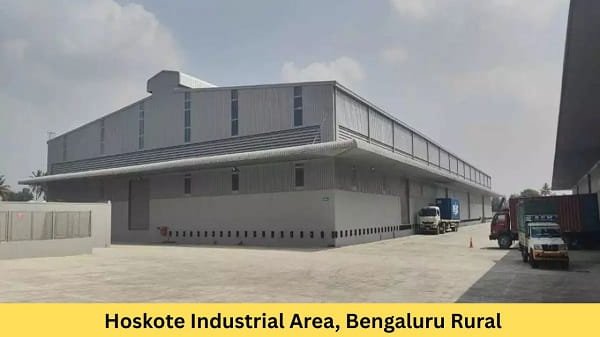
Wazirpur Industrial Area is one of the oldest and most significant industrial zones in North Delhi. Known widely as the “Steel Hub” of the capital, this area has played a crucial role in Delhi’s manufacturing economy for several decades. What began as a cluster of heavy industries has gradually evolved into a mixed economic zone that combines metal manufacturing, wholesale markets, automobile showrooms, and corporate offices.
Located in the northern part of New Delhi, Wazirpur Industrial Area continues to support thousands of businesses and workers. Even as modernization takes place, the area remains an important center for steel processing, engineering industries, and commercial trade in the Delhi–NCR region.
| Category | Details |
| Location | Ashok Vihar, New Delhi |
| PIN Code | 110052 |
| Developed Around | 1970s |
| Total Area | Approx. 200+ acres |
| Famous For | Stainless steel utensils manufacturing |
| Major Industries | Metal works, steel utensils, light engineering |
| Nearest Metro Station | Netaji Subhash Place Metro Station |
| Nearby Areas | Ashok Vihar, Shalimar Bagh, Lawrence Road |
| Key Connectivity | Ring Road, GT Karnal Road |
| Industrial Importance | One of Delhi’s major stainless steel manufacturing hubs |

Location and Connectivity
Wazirpur Industrial Area is strategically located along Delhi’s major arterial road network. The area lies near the Ring Road, which serves as one of the city’s most important transportation corridors.
Its location allows easy access to other major parts of Delhi as well as neighboring states such as Haryana and Punjab. The nearby GT Karnal Road connects the area with industrial towns and transport routes leading to North India.
Metro connectivity further strengthens accessibility. The area is served by the Pink Line of the Delhi Metro, with the Shalimar Bagh Metro Station providing direct access for workers and business owners.
Another important transit hub nearby is Netaji Subhash Place Metro Station, which connects the Red Line and Pink Line and allows commuters to reach different parts of the National Capital Region.
Rail and bus connectivity is also strong, with the nearby Azadpur Railway Station and regional bus terminals serving thousands of passengers every day.
Historical Development
Wazirpur Industrial Area was originally developed by the Delhi Development Authority as part of a plan to relocate polluting industries away from residential neighborhoods.
During its early years, the area was designed mainly for heavy industrial activity, particularly steel and metal manufacturing. Over time, the cluster grew rapidly as entrepreneurs established rolling mills, fabrication workshops, and utensil manufacturing units.
As Delhi expanded, the industrial area became surrounded by residential neighborhoods and commercial centers. In recent years, Wazirpur has started transforming into a mixed industrial and commercial district.
Industrial Ecosystem and Key Sectors
Wazirpur Industrial Area hosts more than two thousand industrial units and businesses operating across multiple sectors.
The stainless steel and metal processing industry remains the backbone of the local economy. The area contains numerous rolling mills, metal fabrication workshops, and small-scale units producing stainless steel utensils, kitchenware, industrial tools, and machinery components.
In addition to metal industries, the area has developed a strong presence in automobile retail. The section of Wazirpur along the Ring Road has become known as an automobile showroom corridor, where several leading automobile brands have established flagship outlets.
Other important sectors operating in the area include:
- Steel rolling mills and metal fabrication
- Industrial machinery and engineering workshops
- Wholesale electronics and computer hardware markets
- Printing and packaging businesses
- Corporate offices and media organizations
The industrial diversity of Wazirpur has helped the area maintain economic relevance even as Delhi’s economy shifts toward services and technology.
Infrastructure and Industrial Facilities
Wazirpur Industrial Area is currently undergoing major infrastructure improvements. The industrial estate contains a dense network of factory plots, warehouses, commercial offices, and workshops.
Internal roads are being upgraded to stronger concrete surfaces to handle heavy transport vehicles. Infrastructure redevelopment projects aim to improve drainage systems and reduce waterlogging during the monsoon season.
Modern utility systems are also being introduced, including underground ducts for telecommunications cables and electrical lines. These improvements are intended to reduce disruptions caused by frequent road digging for maintenance work.
Industrial facilities such as banks, supply stores, restaurants, and equipment service centers operate throughout the area, supporting the daily needs of businesses and workers.
Healthcare and Educational Infrastructure
The areas surrounding Wazirpur Industrial Area are supported by strong social infrastructure. Several well-known hospitals and educational institutions are located nearby.
Major healthcare facilities such as Max Super Speciality Hospital Shalimar Bagh and Fortis Hospital Shalimar Bagh provide advanced medical services to residents and workers in the region.
Educational institutions such as Satyawati College and Kulachi Hansraj Model School serve students from nearby residential neighborhoods.
The presence of these institutions helps support a stable workforce and improves the overall quality of life in the area.
Residential and Real Estate Development
Wazirpur Industrial Area is surrounded by several established residential neighborhoods. Areas such as Ashok Vihar and Shalimar Bagh are among the most prominent residential localities nearby.
These areas offer apartment complexes, independent houses, and cooperative housing societies that attract professionals working in nearby offices and industrial units.
The presence of commercial districts such as Netaji Subhash Place has also increased demand for office spaces and corporate facilities near the industrial zone.
Environmental and Urban Challenges
Like many traditional industrial clusters, Wazirpur faces environmental and urban challenges. Air pollution from industrial activities has been a concern, particularly during winter months when air quality levels rise in Delhi.
Authorities have introduced strict environmental regulations to reduce emissions and encourage industries to switch to cleaner energy sources such as piped natural gas.
Traffic congestion and limited parking spaces inside the industrial estate are also common issues due to the heavy movement of trucks and commercial vehicles.
Government agencies continue to work on infrastructure improvements and pollution control measures to address these challenges.
Future Growth Potential
The future of Wazirpur Industrial Area is closely linked with infrastructure modernization and environmental reforms. Ongoing redevelopment projects aim to transform the area into a cleaner and more organized industrial district.
As corporate offices, automobile showrooms, and service companies continue to expand in the region, Wazirpur is gradually evolving from a purely manufacturing zone into a mixed commercial and industrial hub.
With better infrastructure and improved environmental management, the area is expected to remain a key part of Delhi’s economic landscape.
Conclusion
Wazirpur Industrial Area, New Delhi remains one of the most influential industrial clusters in the capital. Its long history in steel manufacturing, combined with growing commercial activity, has created a unique industrial ecosystem.
Despite challenges such as pollution and traffic congestion, ongoing redevelopment and modernization projects are shaping a new future for the area. Wazirpur continues to stand as a symbol of Delhi’s industrial heritage while adapting to the changing demands of a modern urban economy.