Businesses today have numerous digital marketing options to attract customers online, with Search Engine Optimization (SEO) and Paid Advertising (PPC) being two of the most popular strategies. While paid ads can deliver instant traffic and quick visibility, SEO focuses on improving a website’s organic rankings in search engines like Google over time. Both approaches have their advantages, but when it comes to sustainable growth, long-term return on investment (ROI), and brand credibility, SEO often proves to be the better choice.
SEO helps businesses attract consistent, high-quality traffic without paying for every click. Although it requires patience and ongoing effort, the benefits continue long after the initial optimization work is completed. This article explains why SEO is a smarter long-term investment than paid ads for businesses aiming to achieve lasting online success.
What is SEO?
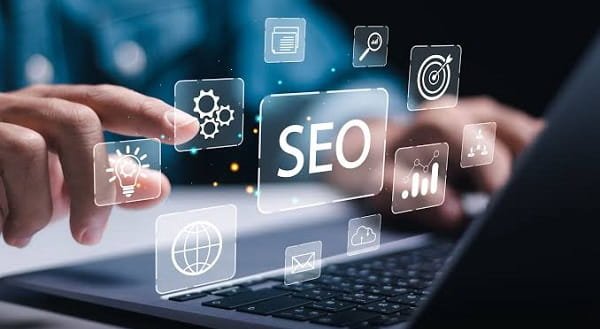
Search Engine Optimization (SEO) is the process of improving a website so that it ranks higher in organic search engine results. SEO involves several techniques, including:
- Keyword research
- High-quality content creation
- On-page optimization
- Technical SEO
- Link building
- Local SEO
- Website speed optimization
- Mobile-friendly design
The goal is to attract users naturally through search engines without paying for every visitor.
What Are Paid Ads?
Paid advertising, also known as Pay-Per-Click (PPC), involves paying platforms such as Google Ads, Facebook Ads, Instagram Ads, or LinkedIn Ads to display advertisements. Businesses pay whenever someone clicks on their ad.
Paid ads provide immediate visibility but stop generating traffic as soon as the advertising budget runs out.
Why SEO Is Better Than Paid Ads in the Long Run
1. SEO Generates Long-Term Organic Traffic
One of SEO’s biggest advantages is that it continues driving traffic even after your content ranks well.
A well-optimized article or webpage can generate visitors for months or even years without additional advertising costs. In contrast, paid ads only work while the campaign is active.
This makes SEO a long-term digital asset.
2. Lower Cost Over Time
SEO requires an upfront investment in content creation, optimization, and website improvements. However, once your pages achieve strong rankings, the ongoing cost per visitor becomes significantly lower.
Paid ads require continuous spending. Every click has a cost, and traffic stops immediately when the campaign budget ends.
For businesses seeking sustainable growth, SEO is generally more cost-effective over time.
3. Higher Trust and Credibility
Many users trust organic search results more than sponsored advertisements.
When your website appears naturally on the first page of Google, customers often view your business as more credible and authoritative.
Organic rankings signal expertise, while paid ads are clearly labeled as advertisements.
4. Better Return on Investment (ROI)
Although SEO takes time to produce results, it often delivers a higher return on investment in the long run.
A single high-ranking blog post can generate thousands of visitors without requiring payment for each click.
Paid advertising, on the other hand, requires businesses to keep investing money to maintain traffic levels.
5. Consistent Website Growth
SEO improves the overall quality of your website by encouraging:
- Better user experience
- Faster loading speed
- Mobile responsiveness
- Helpful content
- Strong website structure
These improvements benefit visitors regardless of where they come from.
Paid ads primarily focus on generating traffic rather than improving the website itself.
6. Organic Traffic Continues After Campaigns End
One major limitation of paid advertising is its temporary nature.
If you stop paying for ads:
- Website traffic drops.
- Leads decrease.
- Sales may decline immediately.
SEO works differently. Even if you reduce optimization efforts, well-ranked pages can continue attracting visitors for an extended period.
7. SEO Supports Brand Authority
Publishing useful, informative, and optimized content positions your business as an industry expert.
Over time, customers begin recognizing your brand as a trusted source of information.
Examples include:
- Educational blogs
- Buying guides
- Tutorials
- FAQs
- Industry insights
This authority encourages repeat visits and customer loyalty.
8. Higher Click-Through Rates
Studies consistently show that many users prefer clicking on organic search results rather than advertisements.
People often skip ads because they perceive organic listings as more relevant and trustworthy.
Higher organic click-through rates contribute to better website engagement and conversions.
9. SEO Benefits Every Marketing Channel
SEO strengthens many other digital marketing activities, including:
- Content marketing
- Email marketing
- Social media marketing
- Video marketing
- Local marketing
High-quality content created for SEO can be shared across multiple platforms, increasing its overall value.
10. Better User Experience
Modern SEO emphasizes user satisfaction.
Google rewards websites that provide:
- Fast loading pages
- Mobile-friendly layouts
- Easy navigation
- Secure browsing (HTTPS)
- Valuable content
These improvements lead to better customer experiences and increased conversion rates.
When Paid Ads Are Useful
Although SEO offers significant long-term advantages, paid advertising remains valuable in certain situations.
Paid ads are ideal for:
- Product launches
- Seasonal promotions
- Limited-time discounts
- New business websites
- Immediate lead generation
- Highly competitive keywords
Businesses often use paid ads while waiting for SEO efforts to gain momentum.
SEO vs Paid Ads Comparison
| Feature | SEO | Paid Ads |
| Traffic Source | Organic | Paid |
| Cost Per Click | Free | Paid |
| Results | Long-term | Immediate |
| Sustainability | High | Low |
| Trust Level | High | Moderate |
| ROI | Excellent over time | Depends on budget |
| Brand Authority | Strong | Limited |
| Traffic Stops When Budget Ends | No | Yes |
Best Strategy: Combine SEO and Paid Ads
Rather than viewing SEO and paid advertising as competitors, many successful businesses use both strategically.
A balanced approach includes:
- Using paid ads for immediate visibility and lead generation.
- Investing in SEO for long-term traffic and sustainable growth.
- Using SEO content to reduce future advertising costs.
- Retargeting organic visitors through paid campaigns.
- Measuring results and adjusting strategies based on performance.
This combination allows businesses to enjoy both short-term and long-term benefits.
Common SEO Mistakes to Avoid
To maximize SEO success, businesses should avoid:
- Keyword stuffing
- Publishing low-quality content
- Ignoring mobile optimization
- Slow website loading speed
- Duplicate content
- Poor internal linking
- Buying spammy backlinks
- Neglecting technical SEO
Following Google’s best practices helps achieve stable rankings and long-lasting results.
Conclusion
SEO is a long-term investment that provides sustainable traffic, stronger brand credibility, and a higher return on investment compared to paid advertising. While paid ads deliver immediate results, they require continuous spending and stop generating traffic as soon as the budget runs out. SEO, on the other hand, builds a strong online presence that continues attracting visitors, generating leads, and supporting business growth over time.
For businesses aiming to establish lasting success, SEO should be the foundation of their digital marketing strategy. Combining SEO with paid advertising when appropriate can provide both immediate visibility and long-term growth, making it the most effective approach for achieving consistent online success.