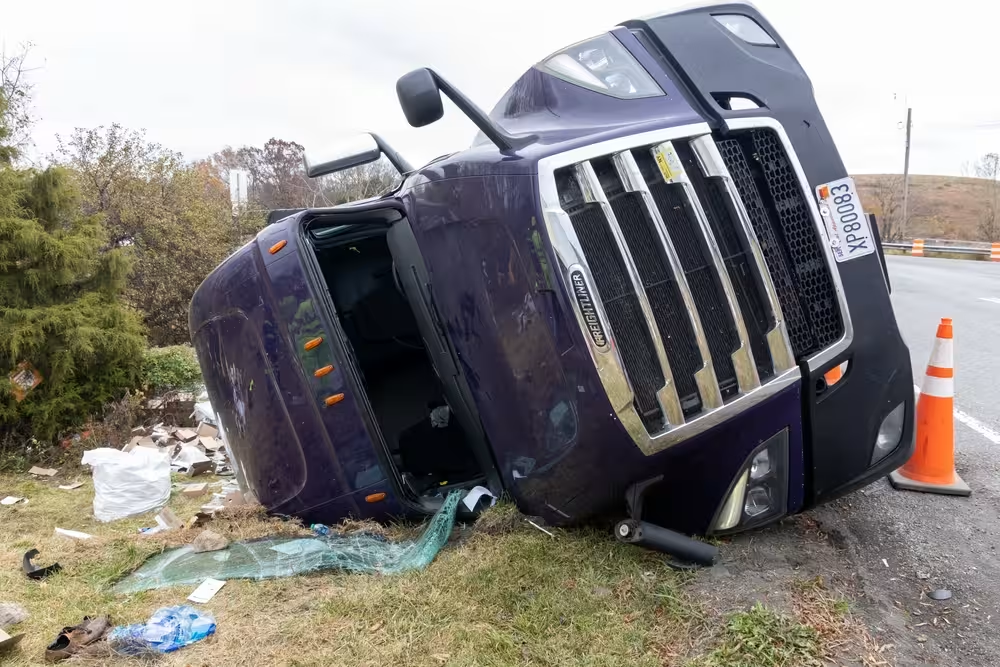
A commercial vehicle accident can turn a simple trip into a complicated claim. Unlike a typical crash, a collision involving a delivery van, truck, bus, or other business vehicle may bring several people and companies into the process. There may be questions about the driver’s actions, company policies, vehicle maintenance, insurance coverage, and the losses caused by the crash. Trying to sort through these details alone can make an already difficult situation harder.
A commercial vehicle accident lawyer can help organize the facts, protect important evidence, and guide a claim from its early stages. The right legal support can also help you understand who may be responsible and what information may be needed to support your case.
1. Investigate How the Accident Happened
A strong claim starts with a clear account of what caused the collision. Commercial vehicle accidents can involve details that are not obvious from the scene. A driver may have been working under a tight schedule, the vehicle may have had a maintenance problem, or road conditions may have played a role.
A lawyer can help collect and review information such as:
- Police and accident reports
- Photos and videos from the scene
- Statements from people who saw the crash
- Driver and employment records
- Vehicle inspection and maintenance records
- Available electronic or business records connected to the trip
These details can help establish a timeline and show how the accident occurred. Early investigation can also be important because evidence may become harder to locate as time passes.
2. Look Beyond the Driver
Responsibility for a commercial vehicle accident does not always stop with the person behind the wheel. A business may have responsibilities related to hiring, training, supervision, scheduling, or vehicle upkeep. In some cases, another company may own or lease the vehicle or provide maintenance services.
A commercial vehicle accident lawyer can examine the relationship between the driver, business, vehicle owner, and other involved parties. This can help determine which parties may have legal responsibility based on the facts.
The goal is not to blame every person or company connected to the vehicle. Instead, the focus is on finding the parties whose actions or failures may have contributed to the crash. This step can be especially important if more than one source of responsibility exists.
3. Manage the Insurance Process
Insurance claims can become confusing after a commercial vehicle collision. A commercial policy may involve different coverage rules from a personal auto policy. The insurer may also ask for documents, statements, or other information while reviewing the claim.
Legal guidance can help you understand what the insurer is requesting and why it matters. A lawyer can also help organize relevant records and handle appropriate communications with insurance representatives.
Keep copies of important documents, including:
- Accident reports
- Medical records and bills
- Repair estimates
- Pay records showing lost income
- Insurance letters and messages
Clear records make it easier to track the claim and reduce the risk of important information being overlooked.
4. Review the Full Cost of Your Losses
The financial effect of a commercial vehicle accident may continue long after the damaged vehicle is repaired. An injury may require follow-up appointments, medication, physical therapy, or other care. Time away from work can also create financial pressure.
A claim may involve losses such as:
- Medical treatment and related expenses
- Lost wages or income
- Vehicle or property damage
- Future medical needs
- Other losses that may be connected to the accident
The exact losses available in a claim depend on its facts and applicable law. Keeping receipts, bills, wage information, and medical paperwork can help document what the accident has cost you.
A lawyer can review these records and help identify losses that should be considered. This does not guarantee a particular result, but it can make the financial side of a claim more organized and complete.
5. Explain Your Legal Options and Next Steps
Commercial vehicle claims can involve deadlines, evidence requirements, insurance issues, and questions about responsibility. Missing an important step can create problems later. You do not need to know every legal rule yourself, but you should have a clear idea of what needs attention.
A lawyer can review the circumstances of the accident and explain the legal options that may apply. This may include discussing how to respond to an insurer, what evidence could support the claim, and whether legal action may be appropriate.
Good legal guidance should be based on the specific facts of your accident. The cause of the crash, severity of the injuries, parties involved, available evidence, and applicable deadlines can all affect the path forward.
Make Your Next Step Count
A commercial vehicle accident can leave you with decisions that may affect your claim for months to come. Instead of rushing through forms or accepting the first response from an insurer, take time to understand your position and keep your records organized. If you are unsure about your rights or how to respond to the parties involved, a qualified attorney can review your situation and explain the options available to you.
Reaching out for legal guidance can help you make decisions based on the facts of your case. If you are dealing with a commercial vehicle accident claim, consider contacting a commercial vehicle accident lawyer to discuss your circumstances and determine what steps may be appropriate.