The candle making business has emerged as one of India’s most popular home-based entrepreneurship opportunities — combining creative expression with genuine commercial potential in a market that has grown dramatically over the past decade. Driven by rising demand for home décor products, the gifting culture, wellness trends around aromatherapy, and the explosion of festive and celebration gifting, India’s candle market is growing at over 10% annually with premium handcrafted candles commanding prices that make small-scale production genuinely profitable.
From Diwali diyas and birthday cake candles to luxury soy wax aromatherapy candles and personalised wedding favours, the candle business serves multiple market segments simultaneously. Understanding its real advantages and disadvantages will help aspiring candle entrepreneurs make informed decisions before investing.
Advantages of Candle Making Business
1. Very Low Startup Investment
Candle making requires among the lowest startup capital of any manufacturing business — wax, wicks, fragrance oils, moulds or containers, a basic melting pot, and labelling supplies represent the complete starting inventory. A home-based candle making operation can be launched for ₹5,000–₹25,000 — making it one of the most accessible manufacturing businesses for first-time entrepreneurs, homemakers, and creative individuals with limited initial capital. This minimal entry cost means financial risk is extremely low, and the business can be tested and validated before significant scale investment is committed.
2. High Profit Margins on Premium Products
Handcrafted candles — particularly soy wax, beeswax, and luxury fragrance candles — command retail prices that generate gross margins of 60–75% for well-positioned brands. A soy candle costing ₹80–100 in materials can retail for ₹350–600 at premium positioning — a margin structure that few manufactured products can match. The gifting market is particularly receptive to premium pricing — beautifully packaged artisan candles are among India’s most popular corporate and personal gifts, allowing candle businesses to capture premium price points without the competitive pricing pressure of commodity retail markets.
3. Strong Gifting and Festive Market Demand
India’s gifting culture — deeply embedded across Diwali, Navratri, Christmas, corporate gifting seasons, weddings, baby showers, and birthdays — creates enormous seasonal demand surges for premium candles that well-prepared businesses can leverage for disproportionate revenue concentration in peak periods. Diwali alone generates extraordinary candle demand that can represent 30–50% of a candle business’s annual revenue in a 6–8 week window. Corporate gifting demand — companies ordering customised branded candles for employee and client gifting — creates bulk order opportunities with favourable economics.
4. Creative Product Differentiation Opportunity
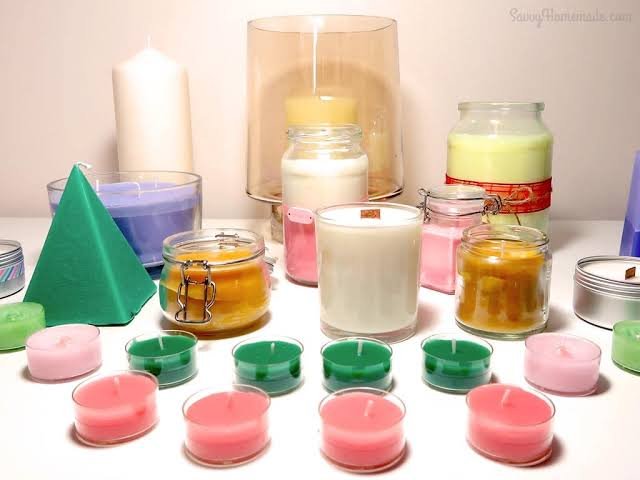
The candle business offers exceptional creative differentiation opportunity — fragrance combinations, vessel choices, colour palettes, wax types, label designs, and gift packaging can all be customised to create products that are genuinely distinctive and personally meaningful. Personalised candles with custom labels for weddings, birthdays, and corporate events command premium prices while creating deep emotional customer connections. Niche positioning — sustainable soy candles, Ayurvedic fragrance blends, regional Indian botanical scents — creates defensible brand identities that commodity competitors cannot easily replicate.
5. Online and Social Media Sales Potential
Candles photograph beautifully — their warm glow, elegant vessels, and lifestyle associations make them among Instagram’s most naturally photogenic product categories. A well-curated candle brand Instagram account with consistent aesthetic can build thousands of engaged followers who become customers and brand advocates. Platforms like Etsy India, Amazon Handmade, Flipkart, and direct website sales allow candle businesses to reach national audiences from a single home production location — dramatically expanding revenue potential beyond local markets.
Disadvantages of Candle Making Business
1. Intense Competition and Market Saturation
The candle market’s low entry cost — one of its greatest advantages — simultaneously creates its most significant competitive challenge. Thousands of home-based candle makers across India compete on similar platforms with similar product aesthetics and price points, making genuine differentiation increasingly difficult. Established brands with professional photography, strong Instagram followings, and operational scale compete alongside international imports on e-commerce platforms — creating a competitive environment where new brands struggle for visibility without significant marketing investment.
2. Highly Seasonal Revenue Concentration
Candle demand is strongly concentrated in the October–January festive period — creating a business whose annual revenue is heavily weighted toward four months of intense activity followed by eight months of significantly lower demand. Managing cash flow through the non-festive months — while maintaining production capability, supplier relationships, and operational readiness for the next peak season — requires financial discipline and planning that many first-time candle entrepreneurs underestimate significantly.
3. Fire Safety and Quality Compliance Risks
Candle manufacturing involves working with molten wax, open flames, and fragrance oils — creating genuine fire safety risks that require careful production environment management. Fragrance oil allergies, wick sizing errors that cause excessive flame height, and inadequate container quality can all create product safety issues that generate customer complaints or liability exposure. Ensuring consistent wick performance, fragrance concentration safety, and container heat resistance across every production batch requires genuine quality discipline.
4. Raw Material Cost Volatility
Soy wax, beeswax, essential oils, and fragrance compounds are commodity products whose prices fluctuate with agricultural production, global supply chains, and currency exchange rates. Premium essential oils — the fragrance components that most differentiate high-end candles — can be expensive and volatile in pricing, creating margin pressure when input costs rise faster than retail prices can be adjusted. Building sufficient price buffer into retail pricing and maintaining supplier diversity helps manage this exposure.
5. Packaging and Presentation Investment
Premium candle positioning requires premium packaging — beautiful vessels, professionally printed labels, gift boxes, and tissue paper are essential for commanding the prices that make the business economically viable. This packaging investment adds meaningfully to per-unit cost and requires upfront capital for minimum order quantities from packaging suppliers. Entrepreneurs who underinvest in presentation frequently find their products perceived as commodity rather than premium — undermining the pricing strategy that makes the business model work.
Frequently Asked Questions (FAQs)
Q: Is candle making business profitable in India? A: Yes — premium handcrafted candle businesses with strong brand positioning can achieve net margins of 40–60%. Festive season demand creates disproportionate annual revenue concentration opportunities.
Q: How much investment is needed to start candle making? A: A home-based candle business can start for ₹5,000–₹25,000. A more formal production setup with premium packaging requires ₹50,000–₹2 lakhs.
Q: Do I need any licence to sell candles in India? A: GST registration is required once turnover exceeds threshold. FSSAI is not applicable. A basic business registration and fire safety compliance for production premises are advisable.
Q: Which candles sell best in India? A: Soy wax aromatherapy candles, Diwali festive collections, and personalised wedding and corporate gift candles consistently generate the strongest demand and best pricing.
Q: Can candle making be done at home in India? A: Yes — most candle businesses begin at home with adequate ventilation, fire safety precautions, and a dedicated clean production space.