The café business occupies a unique and increasingly powerful position in India’s food and beverage landscape — combining the social experience of a community gathering space with the commercial opportunity of a premium beverage and food service business. India’s café culture has exploded over the past decade, driven by a young aspirational population, the spread of coffee culture beyond metropolitan cities, the growing work-from-café trend among freelancers and remote workers, and the transformation of cafés into Instagram-worthy lifestyle destinations that attract visits as much for the experience as for the food and drink.
From a neighbourhood specialty coffee café to a themed Instagram café or a co-working café hybrid, the business model offers genuine opportunity for creative, hospitality-passionate entrepreneurs who understand both its exciting potential and its demanding operational reality.
Advantages of Café Business
1. Strong and Growing Urban Market Demand
India’s café market is growing at 15–20% annually — driven by the urbanising middle class’s adoption of café culture as a lifestyle norm rather than an occasional luxury. The penetration of organised café culture into tier-2 and tier-3 cities creates new market opportunities as young consumers in smaller cities develop the same café habits that metropolitan consumers established a decade earlier. Coffee consumption in India is growing at 6–7% annually alongside tea’s continued dominance — and the café’s ability to serve both beverages alongside snacks and meals gives it broad demographic appeal.
2. Premium Pricing and Attractive Margins
Cafés operate in a premium pricing environment — a well-made cappuccino at ₹150–220 costs ₹15–25 in ingredients, delivering beverage gross margins of 80–85% that are among food service’s highest. This extraordinary beverage margin is the café business’s most powerful financial characteristic — a high-volume café serving 100–200 beverages daily generates substantial gross profit from its beverage menu alone, with food items providing additional margin contribution. The experiential premium that a beautifully designed, atmospherically distinctive café commands justifies pricing that commodity coffee cannot.
3. Multiple Revenue Streams
Cafés generate revenue from multiple concurrent sources — dine-in beverage and food sales, takeaway and delivery orders, corporate catering, private event bookings, merchandise sales, and increasingly, subscription memberships for regular customers. Delivery platform revenue from Swiggy and Zomato extends the café’s customer reach beyond physical footfall — allowing a well-rated café to serve customers across a broader geographic radius than its location alone would support. Events — live music, open mic nights, art exhibitions, and corporate networking sessions — create additional revenue while building the community identity that differentiates memorable cafés from forgettable ones.
4. Strong Brand Building and Community Creation
A successful café becomes more than a food and beverage outlet — it becomes a community anchor, a neighbourhood identity symbol, and a brand with genuine emotional resonance among its regular customers. This community dimension creates marketing advantages that most businesses cannot achieve — regulars become organic brand ambassadors, Instagram check-ins provide free location marketing, and the café’s physical space communicates brand values through every design and service decision in a way that digital brands cannot replicate. Building a genuinely beloved neighbourhood café creates business value that transcends the financial metrics of any single month.
5. Instagram and Social Media Amplification
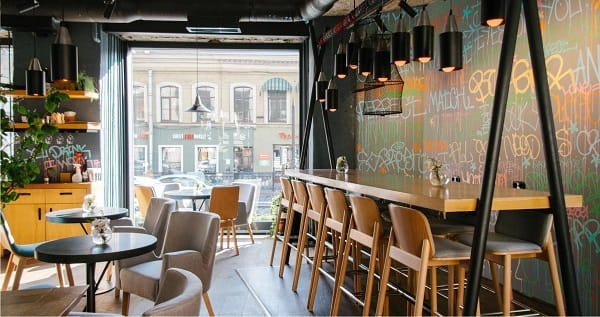
Cafés are among social media’s most naturally photographed environments — beautiful interior design, photogenic drinks, and lifestyle associations make café visits inherently shareable content. A thoughtfully designed café with distinctive visual elements — a living plant wall, an architectural coffee station, a signature drink with striking presentation — can generate extraordinary organic social media marketing as customers share their visits. This user-generated content provides ongoing marketing amplification at zero direct cost that reaches audiences through trusted peer recommendations rather than paid advertising.
Disadvantages of Café Business
1. High Setup Costs and Long Payback Period
A properly designed café requires substantial initial investment — commercial espresso machines (₹2–5 lakhs), interior design and furniture (₹8–20 lakhs), kitchen equipment, POS systems, and initial inventory collectively demand ₹20–50 lakhs for a mid-market café setup. High-design premium cafés require ₹50 lakhs to ₹2 crores in setup investment. The long payback period — typically 18–36 months for a well-performing café — means entrepreneurs must sustain financial patience and adequate reserve capital through the establishment phase before the investment returns begin.
2. High Fixed Costs and Break-Even Pressure
Cafés carry significant fixed monthly costs — prime location rental (₹50,000–₹3,00,000 monthly depending on city and size), staff wages, equipment maintenance, and utility bills all continue regardless of daily customer volume. The break-even customer count — the number of transactions required daily to cover fixed costs — is frequently higher than new café owners anticipate, creating financial pressure during the establishment phase when customer base building is still in progress. A café that falls short of break-even volume for several consecutive months faces rapid cash reserve depletion.
3. Intense Competition from Established Chains
Indian café operators compete against powerful international and domestic chains — Starbucks, Café Coffee Day, Barista, Third Wave Coffee, and dozens of strong regional specialty café operators — that have brand recognition, operational systems, supply chain advantages, and marketing capabilities that independent operators cannot match on equal terms. Surviving alongside these chains requires genuine differentiation through neighbourhood identity, superior product quality, distinctive experience, or community connection — advantages that require sustained investment and creative commitment to develop and maintain.
4. Staff Management and Consistency Challenges
Café service quality is heavily dependent on barista skill, service staff attitude, and kitchen consistency — all human-dependent variables that require continuous management attention. Finding skilled baristas in smaller Indian cities is genuinely difficult, training adequate replacements takes time, and staff turnover in the hospitality sector is persistently high. Every staff transition creates service quality disruption that regular customers notice and respond to — reinforcing the importance of staff retention through competitive wages, positive work environment, and professional development opportunities.
5. Long Working Hours and Operational Demands
Running a café is operationally demanding in ways that many food-passionate entrepreneurs significantly underestimate — opening early, closing late, managing kitchen operations, supervising customer service, handling supplier relationships, managing accounts, and dealing with equipment issues create a working reality that regularly exceeds 12–14 hours daily for owner-operators. The café business demands sustained personal energy investment that creates genuine burnout risk, particularly in the establishment phase when owner presence is most critical and personal financial pressure is highest.
Frequently Asked Questions (FAQs)
Q: Is a café business profitable in India?
A: Yes — a well-located, well-managed café achieving sufficient daily transaction volumes can reach net margins of 15–25%. Beverage-focused cafés with lower kitchen complexity tend to achieve stronger margins.
Q: How much investment is required to start a café in India?
A: A small neighbourhood café requires ₹15–30 lakhs. A mid-market designed café requires ₹30–60 lakhs. Premium concept cafés require ₹60 lakhs to ₹2 crores.
Q: What is the biggest challenge in running a café?
A: Sustaining sufficient daily customer volume to cover high fixed costs while simultaneously managing staff, quality consistency, and competitive pressure is the most demanding ongoing challenge.
Q: Can a café succeed in tier-2 cities in India?
A: Yes — tier-2 city cafés often face less competition and lower rental costs than metros while serving rapidly developing café culture demand among young urban consumers.
Q: How important is Instagram for a café business?
A: Critically important — social media visibility directly drives customer discovery and visit motivation in the café business. Investing in photogenic design and consistent social media content is a commercial priority.