When the 2023 floods tore through Uttarakhand and Himachal Pradesh, the economic damage ran into ₹10,000-15,000 crore, according to SBI’s own research. Here’s the number that should genuinely worry every Indian homeowner far more than that headline figure: only about 8% of that kind of loss is typically insured. India has faced the third-highest number of natural disasters globally since 1990, behind only the US and China, with floods and storms accounting for 41% of these events — and yet, a genuinely staggering protection gap of roughly 92% means most Indian families are one flood, cyclone, or earthquake away from a financial disaster with no safety net whatsoever.
This gap isn’t because insurance doesn’t exist for these risks. It exists because most homeowners either don’t have a policy at all, or assume their coverage includes disasters that were actually left out. Understanding exactly what a proper home insurance policy covers, and where the gaps genuinely lie, matters enormously given how climate-related events are becoming more frequent and severe across the country.
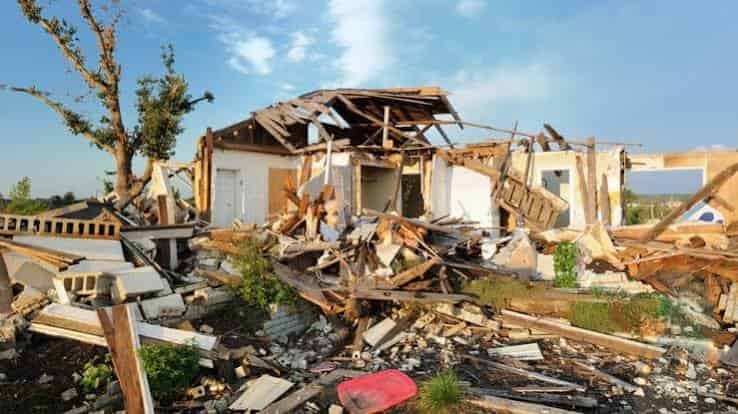
What Bharat Griha Raksha Actually Covers
IRDAI mandated all general insurers to offer a standardised policy called Bharat Griha Raksha (BGR) specifically to make home insurance more consistent and accessible across the country. A few things worth knowing:
- It covers both the building structure and its contents against fire, natural disasters, and theft
- It automatically includes coverage for general home contents — furniture, appliances, electronics — up to 20% of the building’s insured value, without needing detailed item-by-item declarations
- It extends beyond natural disasters into human-induced risks too, including damage from riots, strikes, and vandalism
- Optional add-ons let you specifically cover high-value possessions like jewellery or antiques, along with personal accident cover
Which Natural Disasters Are Genuinely Covered
This is where clarity matters most, since assumptions here can leave you badly exposed. Standard home insurance policies in India, when properly structured with the right riders, typically protect against:
- Cyclones — including damage from high-speed winds, heavy rainfall, and storm surges, particularly relevant for coastal states
- Floods and storms — covered under what’s called STFI (Storm, Tempest, Flood, and Inundation), a standard named peril included in products like Bharat Griha Raksha and Bharat Sookshma Udyam Suraksha
- Fire — the foundational coverage most home policies are built around
- Earthquakes — though this genuinely requires a separate add-on rather than being automatically included in most base policies
Why Your Specific Location Genuinely Determines What You Need
India’s disaster risk varies dramatically by region, and your policy should reflect where you actually live rather than a generic, one-size-fits-all approach:
- Coastal states like Odisha, Andhra Pradesh, and Tamil Nadu face consistent cyclone, storm surge, and coastal flooding risk, making wind and water damage coverage genuinely essential
- Hill states like Uttarakhand, Assam, and Himachal Pradesh face landslide, flash flood, and cloudburst risk during monsoon season, and many of these regions also sit within high seismic zones — meaning flood and earthquake coverage together matter considerably here
- States like Gujarat, Maharashtra, and Madhya Pradesh face meaningful earthquake risk alongside drought and heat-related concerns given their more arid climate
- Reviewing your specific state’s disaster history before finalising your policy genuinely helps you prioritise which add-ons matter most, rather than paying for irrelevant coverage or skipping something critical
Why Earthquake Coverage Genuinely Needs Separate Attention
Given India’s considerable seismic vulnerability across large parts of the country, this deserves specific emphasis:
- Earthquake insurance typically has to be purchased as an add-on to your existing home policy, not assumed as automatically included
- It covers repair or rebuilding costs for structural damage caused by seismic activity, protecting you from bearing this cost entirely out of pocket
- Given how catastrophic earthquake damage can be — sometimes rendering a home completely uninhabitable — skipping this add-on to save a modest premium is a genuinely risky trade-off for anyone living in a moderate-to-high seismic zone
A Detail Worth Knowing Before You Need to Claim
This is easy to overlook until it actually matters:
- Flood insurance claims typically can only be made after a waiting period of 15 days from your policy’s inception date
- This means purchasing flood coverage the week before monsoon season peaks, hoping to get immediate protection, genuinely won’t work the way you might expect
- Buying your policy well ahead of the monsoon or cyclone season, rather than reactively once warnings are already being issued, genuinely ensures your coverage is actually active when you need it
Why Opting Out of Natural Disaster Coverage Genuinely Defeats the Purpose
Some homeowners, trying to reduce premium costs, opt out of natural disaster coverage specifically. This is genuinely worth reconsidering:
- If you live in a flood-prone or landslide-prone area and opt out of this coverage, your policy effectively becomes far less useful precisely when you’d need it most
- The premium difference for including proper disaster coverage is typically modest compared to the financial devastation of an uninsured flood, cyclone, or earthquake event
- Given India’s documented 92% protection gap, choosing to skip this coverage genuinely puts you in the majority that ends up financially exposed rather than the minority that’s properly protected
Frequently Asked Questions
Q1. Does a standard home insurance policy in India automatically include flood and cyclone coverage, or do I need to add it separately?
This depends on the specific policy — many standardised products like Bharat Griha Raksha include STFI (storm, tempest, flood, inundation) coverage as a named peril within the base policy, but it’s genuinely worth confirming this explicitly with your insurer rather than assuming, since some basic or older policies may require it as an add-on.
Q2. If I live in a low-risk area for natural disasters, is it still worth paying for this coverage?
It’s genuinely worth discussing with your insurer, since disaster patterns are shifting with climate change, and areas historically considered lower-risk have increasingly experienced unexpected flooding or extreme weather events, making comprehensive coverage a reasonable precaution even outside traditionally high-risk zones.
Q3. How quickly can I actually file and receive a claim after my home is damaged by a flood or cyclone?
This varies by insurer and the extent of damage, but it’s important to know that flood claims specifically require your policy to have been active for at least 15 days before the event, reinforcing why purchasing coverage well ahead of monsoon or cyclone season matters considerably more than buying it reactively.
Q4. Does my home insurance cover the cost of temporary accommodation if my house becomes uninhabitable after a disaster?
This varies by policy, and it’s genuinely worth checking specifically, since some comprehensive policies include additional living expense coverage or loss of rent provisions, while more basic policies may only cover the structural and content damage itself without accounting for displacement costs.