The kurti business is one of India’s most vibrant, most creatively rewarding, and most commercially dynamic fashion entrepreneurship opportunities — serving a market where the kurti has become the quintessential everyday garment for Indian women across every age group, profession, and geography. From college students and office professionals to homemakers and festive celebration dressers, the kurti’s combination of cultural authenticity, comfort, and style versatility makes it India’s most universally worn women’s garment — creating a market valued at over ₹40,000 crore and growing at 12–15% annually.
Whether manufacturing original designs, reselling from wholesale suppliers, or building a digital-first kurti brand, understanding the complete advantages and disadvantages of this business helps fashion entrepreneurs plan effectively before investing.
Advantages of Kurti Business
1. Massive and Diverse Consumer Base
Kurtis are purchased by virtually every Indian woman — school girls wear them for casual outings, college students wear them daily, working professionals wear them to offices, homemakers wear them as everyday clothing, and women of all ages choose them for festivals and family functions. This extraordinary demographic breadth means the kurti business is not constrained to any specific customer segment — a single kurti brand can serve multiple age groups, income levels, and occasion requirements simultaneously. This universal appeal creates addressable market scale that most fashion categories cannot claim.
2. Low Startup Investment for Reselling Model
The kurti business offers the most accessible entry through the reselling model — purchasing wholesale from Surat, Jaipur, or other manufacturing centres and selling through Instagram, WhatsApp, and local markets requires minimal capital. A home-based kurti reselling business can begin with ₹20,000–₹50,000 in initial stock — making it genuinely accessible to housewives, students, and entrepreneurs with limited capital. This low entry cost allows market testing, customer base building, and business validation before committing larger capital to manufacturing or brand building investment.
3. Strong Online and Social Media Commerce Opportunity
Kurtis are among the most naturally social-media-friendly fashion products — styled outfit photographs, fabric detail shots, and occasion styling content generate strong engagement on Instagram and Pinterest. The Meesho reselling model has transformed kurti commerce — millions of Indian women resell kurtis through WhatsApp and social media, creating a distributed selling network that demonstrates the category’s extraordinary online commercial potential. Building a direct Instagram kurti brand with consistent aesthetic, quality fabric storytelling, and authentic customer relationship management creates national customer reach from a single location.
4. Festival and Occasion Demand Peaks
India’s festival calendar — Navratri, Diwali, Eid, Pongal, Holi, and regional celebrations — creates annual demand surges for festive kurtis that generate disproportionate revenue concentration periods that well-prepared businesses leverage effectively. Wedding season creates additional demand for coordinated family festive kurtis. Corporate office celebrations requiring coordinated team outfits generate bulk order opportunities. Managing festive collection launches, advance stock procurement, and gifting market positioning around major celebrations creates the seasonal revenue peaks that build annual business profitability significantly above everyday trading levels.
5. Design Innovation and Niche Positioning Opportunity
The kurti market rewards genuine design differentiation — brands that develop distinctive print identities, explore regional textile traditions like Ajrakh block printing, Dabu resist dyeing, and handloom fabric combinations create defensible market positioning that commodity wholesalers cannot replicate. Niche segments including sustainable handloom kurtis, size-inclusive extended-range brands, and Ayurvedic natural-dyed fabric collections serve specific underserved consumer segments with premium pricing and strong loyalty. This design innovation opportunity allows small kurti businesses to compete effectively against large fashion retailers through authenticity and distinctiveness.
Disadvantages of Kurti Business
1. Intense Competition and Market Saturation
The kurti market is among India’s most competitive fashion segments — from large organised players like Biba, W, Aurelia, and Fabindia to thousands of Surat-based wholesalers, Instagram resellers, and e-commerce sellers on Meesho, Amazon, and Flipkart. Price competition from mass-manufactured Surat kurtis available at ₹150–400 wholesale creates persistent downward pricing pressure that makes quality differentiation essential but commercially challenging to communicate. New entrants without genuine product differentiation or brand identity struggle to gain visibility against established competition at any channel.
2. Inventory Management and Fashion Risk
Fashion inventory management requires predicting which designs, colours, and sizes will sell before placing orders — a genuinely difficult forecasting challenge in a trend-sensitive market where consumer preferences shift seasonally. Slow-moving stock that doesn’t sell requires markdowns that erode margins, while bestselling sizes run out quickly creating missed revenue opportunities. Managing inventory across multiple designs, sizes, and colour combinations requires capital commitment and planning sophistication that many first-time kurti entrepreneurs underestimate significantly.
3. Size Inclusivity Challenge
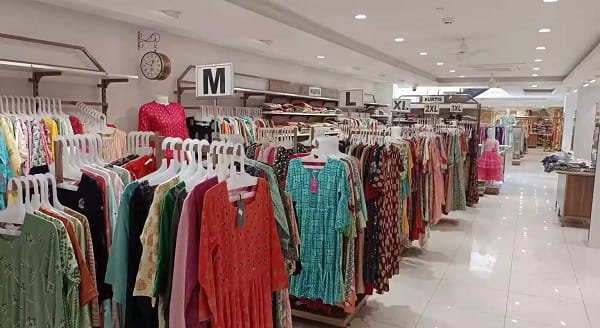
India’s kurti market spans extraordinary body diversity — managing inventory across size ranges from XS to 6XL requires proportionally larger stock investment per design and creates SKU complexity that challenges small operations. Customers who find their size consistently unavailable switch permanently to competitors who serve them better. Building size-inclusive inventory creates working capital requirements and warehousing needs that significantly exceed single-size-range operations while representing a genuine competitive differentiation opportunity.
4. Returns and Quality Complaints
Online kurti selling generates higher return rates than physical retail — colour accuracy differences between photography and actual fabric, size fitting variations, and fabric quality disappointments create return requests that add reverse logistics costs and inventory management complexity. Managing quality control consistency across supplier batches — ensuring that repeat orders of the same design maintain fabric quality, colour accuracy, and finishing standards — requires supplier relationship management and quality inspection investment that many reselling businesses underperform.
5. Trend Obsolescence and Design Freshness Pressure
Fashion trends in kurtis shift seasonally — print styles, neckline designs, sleeve silhouettes, and embroidery types that are in demand this season may appear dated within 6–12 months. This trend velocity creates continuous pressure for design refresh that requires either strong market sensing capability or strong supplier relationships that provide access to current trend production. Failing to update the product range regularly results in stale inventory perception that reduces both new customer acquisition and repeat purchase from existing buyers who expect consistent newness.
Frequently Asked Questions (FAQs)
Q: Is kurti business profitable in India?
A: Yes — a kurti business with strong online presence and quality positioning can achieve net margins of 25–40%. Manufacturing original designs delivers the strongest margins versus reselling.
Q: How much investment is needed to start kurti business in India?
A: Reselling starts at ₹20,000–₹50,000. A private-label brand requires ₹2–5 lakhs. Manufacturing with original designs requires ₹5–15 lakhs.
Q: Which platform is best for selling kurtis online in India?
A: Instagram for brand building, Meesho and Amazon for volume, and WhatsApp Business for direct customer relationships are the most effective combination for Indian kurti businesses.
Q: Where is the best place to source kurtis for business in India?
A: Surat for printed kurtis, Jaipur for block print and embroidered, Ahmedabad for patola and Gujarat styles, and Lucknow for chikankari are India’s premier kurti sourcing centres.
Q: Do I need a GST number to sell kurtis in India?
A: GST registration is required once annual turnover exceeds ₹20 lakhs (₹10 lakhs in some states). Most online marketplace platforms require GST registration for seller onboarding regardless of turnover.