Email marketing continues to be one of the most effective digital marketing channels for ecommerce brands. While social media algorithms and paid advertising costs constantly change, email gives businesses direct access to customers without relying on third-party platforms. A well-planned email marketing strategy helps online stores build customer relationships, increase repeat purchases, recover abandoned carts, and improve long-term revenue.
In 2026, ecommerce brands are focusing more on personalized email campaigns, automation, and customer segmentation to deliver relevant messages at the right time. Unlike generic promotional emails, modern email marketing is about providing value, building trust, and creating a personalized shopping experience.
This guide explains how ecommerce businesses can create an effective email marketing strategy that drives engagement, boosts conversions, and increases customer lifetime value.
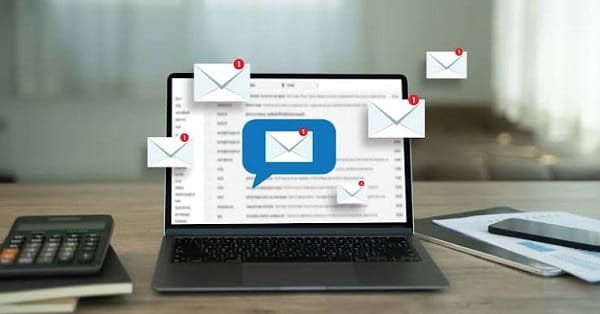
What Is Email Marketing?
Email marketing is the process of sending targeted emails to potential and existing customers to promote products, share valuable content, announce offers, and build long-term relationships.
For ecommerce businesses, email marketing serves multiple purposes, including:
- Promoting new products
- Sharing special offers
- Recovering abandoned carts
- Encouraging repeat purchases
- Building customer loyalty
- Requesting product reviews
- Educating customers about products
Because customers have voluntarily shared their email addresses, email marketing often generates higher engagement than many other digital marketing channels.
Why Email Marketing Matters for Ecommerce
Email marketing offers several advantages for online stores:
- Direct communication with customers
- High return on investment (ROI)
- Increased repeat purchases
- Better customer retention
- Personalized shopping experiences
- Lower marketing costs
- Improved brand loyalty
Unlike paid advertisements, your email list is a business asset that you own, making it a reliable long-term marketing channel.
Step 1: Build a Quality Email List
The success of email marketing begins with a high-quality subscriber list.
Some effective ways to collect email addresses include:
- Website sign-up forms
- Pop-up subscription offers
- Checkout page opt-ins
- Discount coupons for new subscribers
- Free guides or downloadable resources
- Loyalty programs
- Giveaways and contests
Always collect email addresses with the customer’s permission. Avoid purchasing email lists, as they often result in low engagement and may violate email marketing regulations.
Step 2: Segment Your Audience
Sending the same email to every customer rarely produces the best results.
Audience segmentation allows you to send more relevant content based on customer behavior.
Common segments include:
- New subscribers
- First-time buyers
- Repeat customers
- High-value customers
- Inactive customers
- Abandoned cart users
- Customers interested in specific product categories
Personalized emails generally achieve higher open rates, click-through rates, and conversions.
Step 3: Create Valuable Email Content
Your emails should provide value instead of focusing only on promotions.
Useful email content includes:
- Product recommendations
- Shopping tips
- New arrivals
- Exclusive discounts
- Seasonal collections
- Educational content
- Customer success stories
- Product care instructions
A balance between promotional and informative content helps maintain subscriber interest.
Step 4: Write Compelling Subject Lines
The subject line is one of the biggest factors affecting email open rates.
Good subject lines should be:
- Short
- Clear
- Relevant
- Curiosity-driven
- Personalized when appropriate
Examples include:
- Your Exclusive Weekend Discount Is Here
- New Collection Just Arrived
- Complete Your Purchase Before It’s Gone
- Special Offer for Our Loyal Customers
Avoid misleading or overly promotional subject lines that may reduce trust.
Step 5: Use Email Automation
Automation allows ecommerce businesses to send emails automatically based on customer actions.
Important automated email sequences include:
1. Welcome Emails
Introduce your brand and encourage first-time purchases.
2. Abandoned Cart Emails
Remind customers about products left in their shopping cart.
These emails often recover lost sales.
3. Order Confirmation Emails
Provide purchase details and reassure customers that their order has been received.
4. Shipping Updates
Keep customers informed about delivery status.
5. Post-Purchase Emails
Request product reviews, recommend related products, or offer future discounts.
Automation saves time while delivering personalized customer experiences.
Step 6: Design Mobile-Friendly Emails
Many customers read emails on smartphones.
Your emails should include:
- Responsive layouts
- Easy-to-read fonts
- High-quality images
- Clear call-to-action buttons
- Fast-loading visuals
- Simple formatting
A mobile-friendly design improves both engagement and conversion rates.
Step 7: Include Strong Calls to Action
Every email should encourage readers to take a specific action.
Examples include:
- Shop Now
- View Collection
- Complete Your Order
- Claim Your Discount
- Explore New Arrivals
- Leave a Review
Keep your calls to action clear, visible, and easy to click.
Step 8: Personalize the Customer Experience
Personalization goes beyond using a customer’s name.
Modern email marketing includes:
- Product recommendations based on browsing history
- Purchase history
- Birthday offers
- Location-based promotions
- Personalized discount codes
Relevant content improves customer satisfaction and increases conversions.
Step 9: Test and Optimize Campaigns
Continuous improvement is essential.
Test different elements such as:
- Subject lines
- Images
- Call-to-action buttons
- Email layouts
- Sending times
- Promotional offers
A/B testing helps identify what performs best with your audience.
Important Ecommerce Email Campaigns
Successful ecommerce brands regularly send different types of emails, including:
- Welcome emails
- Product launch announcements
- Flash sale notifications
- Seasonal promotions
- Cart abandonment reminders
- Order confirmations
- Delivery updates
- Customer review requests
- Loyalty program updates
- Re-engagement campaigns
Each campaign supports a different stage of the customer journey.
Common Email Marketing Mistakes
Many ecommerce businesses reduce their results by making avoidable mistakes.
Common errors include:
- Sending too many emails
- Ignoring audience segmentation
- Using misleading subject lines
- Not optimizing for mobile devices
- Failing to test campaigns
- Overloading emails with too many products
- Ignoring customer preferences
- Not tracking campaign performance
Avoiding these mistakes helps maintain subscriber trust and improve engagement.
Key Metrics to Track
Measuring performance allows businesses to improve future campaigns.
Important metrics include:
- Open Rate
- Click-Through Rate (CTR)
- Conversion Rate
- Bounce Rate
- Unsubscribe Rate
- Revenue Per Email
- Cart Recovery Rate
Regular analysis helps identify successful strategies and areas for improvement.
Best Practices for Ecommerce Email Marketing
To achieve long-term success:
- Build your email list organically.
- Segment your subscribers.
- Personalize every campaign where possible.
- Maintain consistent branding.
- Keep emails concise and visually appealing.
- Use automation to save time.
- Test campaigns regularly.
- Focus on delivering customer value.
- Respect subscriber preferences and provide an easy unsubscribe option.
Following these best practices helps create lasting customer relationships.
Conclusion
Email marketing remains one of the most powerful and cost-effective marketing tools for ecommerce brands. By building a quality subscriber list, segmenting audiences, creating valuable content, automating key customer journeys, and continuously optimizing campaigns, businesses can increase customer engagement, recover abandoned carts, and drive repeat purchases.
Unlike many other marketing channels, email provides direct access to your audience and supports long-term customer loyalty. When combined with personalization, mobile-friendly design, and data-driven optimization, email marketing becomes a reliable strategy for growing ecommerce sales, strengthening customer relationships, and achieving sustainable business success in 2026 and beyond.