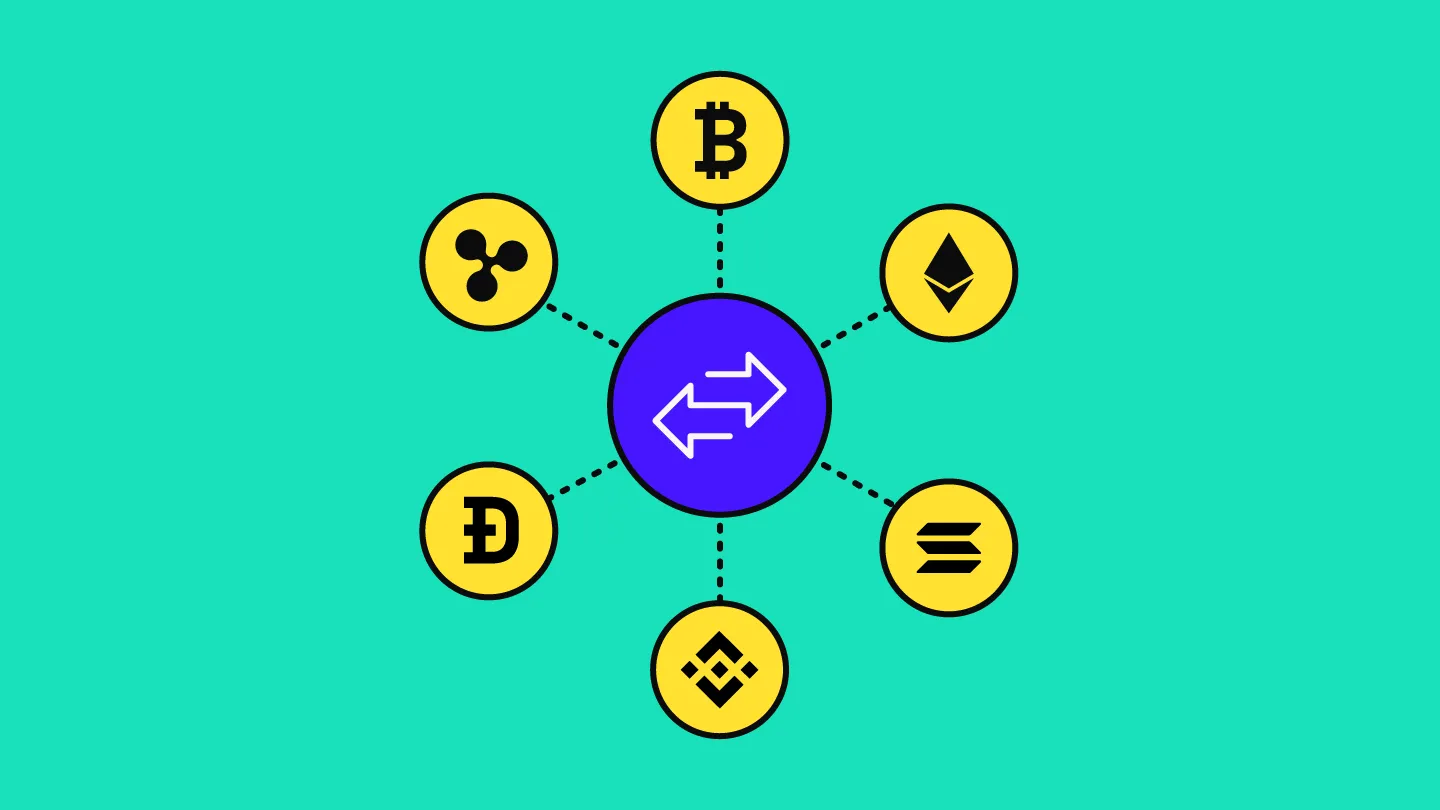
Crypto swaps look simple on the screen. You open your wallet, select one token, choose another token, click swap, and within a few seconds your asset changes. No bank transfer, no rupee withdrawal, no normal “sell” button. Because of this, many Indian crypto users feel that wallet swaps are not serious from a tax angle. But this is where the real confusion starts.
For Indian investors, a crypto wallet swap can be more than just a technical conversion. When you exchange one crypto asset for another, you may be transferring one virtual digital asset and receiving another in return. That can create tax reporting, cost tracking and TDS-related questions. The problem becomes bigger because many decentralised wallets and foreign platforms do not deduct Indian TDS automatically. So, even if the transaction is smooth on-chain, the tax handling may not be smooth at all.
If you swap Bitcoin into Ethereum, USDT into Solana, or one meme coin into another token, you should know how to record the transaction, how to check whether TDS applies, and how to avoid mistakes during ITR filing. This article explains the practical way to handle TDS deductions on crypto wallet swaps in simple English for Indian readers.
First Understand What a Crypto Wallet Swap Means
A crypto wallet swap means exchanging one crypto asset for another through a wallet, decentralised exchange, exchange app, aggregator or platform. For example, you may swap USDT for ETH, ETH for MATIC, or one token for another directly from a wallet.
Many users think a swap is not a sale because they did not receive INR. But from a tax point of view, a swap can still matter because one asset goes out and another asset comes in. The outgoing crypto may have a cost, and the incoming crypto may have a market value. This difference can create taxable gain or loss reporting issues.
Why TDS Can Become Confusing in Wallet Swaps
In a normal Indian exchange sale, TDS is often deducted automatically by the platform. You sell crypto, the exchange deducts 1% TDS if applicable, and the entry may later reflect in your tax records.
But wallet swaps are different. If you are using a self-custody wallet, decentralised exchange or offshore platform, there may be no automatic Indian TDS deduction. The platform may simply process the blockchain transaction. It may not calculate Indian tax, deduct TDS, issue a TDS certificate or report it in your Form 26AS.
This creates a practical problem: the transaction may still be relevant for tax, but there may be no ready-made TDS record. That is why Indian users must maintain their own transaction history and, where needed, take professional help.
When Does 1% TDS Usually Apply?
Under Indian tax rules, 1% TDS is linked to payment or consideration for transfer of a virtual digital asset. In simple terms, when one person transfers a crypto asset and receives consideration, TDS responsibility may arise if the transaction crosses the applicable threshold.
In exchange-based transactions, the exchange may handle TDS. In peer-to-peer or over-the-counter deals, the buyer may have the responsibility. In crypto-to-crypto exchange cases, the situation can become more complicated because both sides may be giving and receiving VDAs.
For a normal retail user, the key point is this: do not assume “no INR involved” means “no TDS issue.” A swap should be reviewed carefully, especially if the value is large or transactions are frequent.
What Happens If TDS Is Not Deducted Automatically?
If TDS is not deducted automatically, it does not mean the transaction disappears from tax responsibility. You still need to calculate your income from the swap and report it correctly in your ITR if applicable.
For example, suppose you bought Token A for ₹50,000 and later swapped it for Token B when Token A’s value was ₹80,000. You may have a gain of ₹30,000 on the outgoing asset. Even if no TDS was deducted, this transaction may still need reporting.
If you are unsure whether you personally had any TDS deduction or deposit responsibility in a specific wallet swap, do not guess. Crypto-to-crypto swaps can be technical, and the tax position may depend on whether the transaction happened through an exchange, broker, wallet, P2P arrangement or decentralised protocol.
Keep INR Value for Every Swap
The biggest mistake in wallet swaps is recording only token quantity. For Indian tax reporting, you should maintain rupee value too.
For every swap, record:
- Date and time of swap
- Outgoing crypto name and quantity
- Incoming crypto name and quantity
- INR value of outgoing crypto
- INR value of incoming crypto
- Wallet address used
- Platform or DEX name
- Transaction hash
- Gas fee or network fee
- Purpose of transaction
This record helps you calculate acquisition cost, sale value and later gain or loss. Without INR values, your tax calculation becomes guesswork.
Track the Cost of the New Crypto Received
When you swap one crypto for another, the new crypto received should have a fresh cost record. For example, if you swapped ETH worth ₹1,20,000 into another token, the new token’s acquisition cost record should be based on the value at the time of swap.
This is important because when you later sell or swap the new token, you will need its cost. If you do not track it at the time of receipt, you may struggle later, especially if token prices moved sharply.
Crypto tax mistakes often happen not in the first transaction, but in the second or third transaction when the original cost chain is lost.
Match TDS Records With AIS and Form 26AS
If you used an Indian exchange, check whether TDS appears in your exchange report, AIS and Form 26AS. Sometimes users assume TDS was deducted because the platform showed a deduction, but they do not verify whether it appears in tax records.
Before filing ITR, match:
Exchange TDS statement
Form 26AS
Annual Information Statement
Trade history
Wallet withdrawal and deposit records
If something does not match, raise a support request with the exchange or ask a tax professional before filing. Wrong or missing TDS credit can affect your final tax payable or refund.
Do Not Treat TDS as Final Tax
This is a very common misunderstanding. TDS is not the final tax on crypto profit. It is only tax deducted in advance.
Crypto gains from transfer of virtual digital assets are generally taxed separately at a flat rate. So, even if 1% TDS was deducted, you may still have to pay more tax depending on your actual gain. On the other hand, if TDS is deducted but your final tax calculation differs, you need proper reporting to claim credit.
Think of TDS as an entry in your tax account, not as the full settlement of your crypto tax.
Be Careful With Gas Fees and Network Charges
Wallet swaps usually involve gas fees. These may be paid in ETH, BNB, MATIC or another native token. From a record-keeping angle, note these charges separately.
Why does this matter? Because if you pay gas fees using crypto, your wallet balance reduces. Later, if you try to match quantity, your numbers may not tally. Also, tax treatment of expenses in VDA computation is strict, so do not blindly reduce every gas fee from taxable gain without checking.
The safer approach is to record gas fee details clearly and let your tax advisor decide how it should be treated.
Use a Separate Sheet for Wallet Swaps
If you actively use wallets, create a separate “Crypto Wallet Swaps” sheet. Do not mix swaps with normal exchange buys and sells.
Add columns like:
- Swap date
- Wallet name
- Transaction hash
- Token sold
- Quantity sold
- INR value sold
- Token received
- Quantity received
- INR value received
- Gas fee
- TDS deducted or not
- Remarks
In the remarks column, write whether the swap happened through an Indian exchange, foreign exchange, decentralised wallet or P2P transaction. This small note can save hours during tax filing.
What If You Already Swapped Crypto Without Records?
Start reconstructing the data as early as possible. Open your wallet, copy transaction hashes, check blockchain explorer history, download exchange statements and identify the INR value on the date of each swap.
If the number of transactions is small, you may be able to rebuild the record manually. If you have hundreds of swaps, DeFi transactions, bridge transactions or liquidity pool activity, use crypto tax software or consult a CA who understands VDA taxation.
Do not ignore old swaps just because they happened inside a wallet. Missing records can create problems if your bank deposits, TDS records or exchange withdrawals are questioned later.
Practical Example of a Wallet Swap
Suppose Rohan bought 1 ETH for ₹1,80,000. Later, he swapped that 1 ETH for another token when ETH was worth ₹2,30,000. He did not receive rupees, but he gave up ETH worth ₹2,30,000 and received another crypto asset.
For tracking, Rohan should record ₹2,30,000 as the value of the outgoing ETH and also as the acquisition value reference for the new token received. His possible gain on ETH may be ₹50,000 before applying the relevant tax rules.
If no TDS was deducted automatically, he should not assume the transaction is tax-free. He should calculate, report and take advice if needed.
FAQs
Q1. Does TDS apply if I swap crypto inside a wallet?
A: It can become relevant because a swap may involve transfer of one VDA for another. Whether TDS was deducted automatically depends on the platform and transaction structure. For large or frequent swaps, take professional advice.
Q2. What should I do if my wallet swap has no TDS record?
A: Maintain full transaction details, including INR value, token quantity, wallet address and transaction hash. You should still calculate and report taxable income correctly, even if no platform deducted TDS.
Q3. Is crypto swap taxable only when I withdraw money to my bank?
A: No. Tax reporting may arise even before bank withdrawal if one crypto asset is transferred or exchanged for another. Bank withdrawal is not the only trigger to track.
Q4. How can I make crypto swap tax filing easier?
A: Keep a separate spreadsheet for swaps, download exchange reports, save wallet transaction hashes, record INR values on the transaction date, and match TDS details with AIS and Form 26AS before filing ITR.