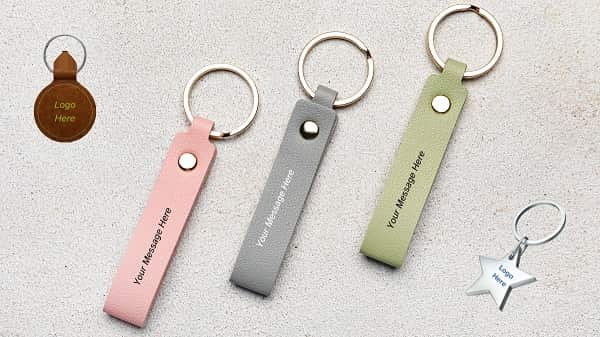
The keychain business is one of India’s most accessible, most creative, and most surprisingly profitable small manufacturing and gifting businesses — combining low production costs with strong gifting culture demand, corporate promotional product requirements, and the growing personalised accessories market. Keychains serve functional daily use while simultaneously carrying emotional value as souvenirs, personalized gifts, and brand communication tools — a dual utility that creates demand across consumer gifting, corporate promotional, and tourism souvenir markets simultaneously.
From a home-based handmade keychain business to a wholesale manufacturing operation supplying promotional products companies, understanding the complete picture of advantages and disadvantages helps entrepreneurs assess this often-underestimated business opportunity realistically.
Advantages of Keychain Business
1. Extremely Low Startup Investment
Keychain manufacturing or assembly requires minimal initial capital — raw materials including key rings, resin, beads, leather strips, acrylic blanks, and basic tools represent the complete starting requirement for a handmade operation. A home-based keychain business can launch with ₹5,000–₹20,000 — among the most financially accessible manufacturing businesses available. This negligible entry cost makes the keychain business suitable for students, homemakers, and first-time entrepreneurs who want to test creative business concepts without significant financial risk exposure.
2. Strong Corporate Gifting and Promotional Demand
Customised keychains are among India’s most widely used corporate promotional products — companies order branded keychains in bulk for employee gifting, client appreciation, event giveaways, and brand promotion campaigns. This corporate demand segment provides bulk orders with advance payment — the most financially favourable order format in any product business. A single corporate order for 500–2,000 branded keychains generates substantial revenue from a single client engagement. Building relationships with corporate gifting companies, event management firms, and promotional products distributors creates the B2B revenue stream that transforms a small crafts business into a scalable commercial operation.
3. Tourism Souvenir Market Opportunity
Tourist destinations across India — religious sites, hill stations, heritage monuments, and coastal resorts — create specific and geographically concentrated keychain demand for locally themed souvenirs. Keychains featuring iconic destination imagery, local cultural symbols, and traditional craft elements are among the most universally purchased tourist souvenirs across all cultures and demographics. Establishing supply relationships with souvenir shops, hotel gift shops, and temple trusts in popular tourist destinations creates recurring wholesale revenue that the business generates passively once supply relationships are established.
4. Online and Social Media Market Access
Personalised keychains photograph attractively and generate strong social media engagement — particularly name keychains, couple keychains, pet portrait keychains, and photo-embedded resin keychains that appeal to the personalised gifts market. Platforms including Etsy India, Amazon Handmade, Instagram, and WhatsApp Business allow keychain businesses to reach national customers from a single home production space. The low product weight and small dimensions make keychains exceptionally economical to ship nationally — creating online market access economics that heavier, bulkier products cannot achieve.
5. Multiple Product Variations from Same Skill Set
The keychain business’s core manufacturing skills apply across multiple product variations that share production techniques, raw materials, and equipment — expanding product range without proportional investment in new capabilities. A resin keychain maker can produce resin coasters, fridge magnets, and bookmarks using identical techniques. A leather keychain maker can produce wallets, cardholders, and bag tags. This skill and material transferability allows range expansion that improves revenue per customer transaction through cross-selling while leveraging existing production investment efficiently.
Disadvantages of Keychain Business
1. Very Low Price Points and Thin Margins
Individual keychain retail prices — typically ₹50–300 per piece — create modest per-transaction revenue that requires significant volume for meaningful business income. The low price point makes building substantial revenue from retail customers alone challenging — a keychain business generating ₹5 lakhs annually in revenue requires selling thousands of units. Building corporate bulk order capability is essential for transforming low-margin retail volume into commercially significant business revenue, but corporate client development requires sales effort and relationship investment that purely production-focused entrepreneurs may find challenging.
2. High Competition and Market Saturation
The keychain market is intensely competitive — mass-produced imported keychains from China at extremely low prices compete directly with domestic handmade alternatives in tourist markets and corporate gifting segments. Thousands of home-based craft businesses on Instagram and Etsy offer similar personalised keychain products. Differentiating through unique design, exceptional quality, or specialised niche positioning requires continuous creative investment. Without genuine differentiation, price competition with mass-produced alternatives erodes margins toward levels that make the business commercially unsustainable as a primary income source.
3. Dependent on Gifting Occasions and Seasons
Keychain demand peaks during gifting occasions — Valentine’s Day, Friendship Day, Diwali, Christmas, and wedding season — creating seasonal revenue concentration that leaves quieter months significantly less commercially active. Corporate promotional orders tend to cluster around year-end and major event periods. Managing cash flow through lean gifting periods while maintaining production capability and raw material inventory for peak seasons requires financial discipline that seasonal businesses consistently demand.
4. Scalability Limitations of Handmade Production
Handmade keychain production is inherently limited in scalability — each piece requires individual crafting time that caps daily production capacity at levels insufficient for large bulk orders without transitioning to machine-assisted or outsourced production. Entrepreneurs who build corporate client relationships requiring thousands of pieces on short timelines frequently discover that their handmade production capability cannot fulfil orders at the scale and speed clients require. Managing this scalability tension requires either accepting growth limitations or investing in production capacity expansion that significantly increases capital requirements.
5. Intellectual Property and Design Copying Risk
Successful keychain designs are easily replicated — competitors who see popular designs on social media can reproduce them quickly at lower quality and price. This design copying risk means that competitive advantages from creative innovation are short-lived without continuous design renewal. Building brand equity that creates customer loyalty beyond specific designs — so customers return for brand trust rather than any individual design — requires sustained marketing investment and brand development effort that many small keychain businesses are not positioned to execute effectively.
Frequently Asked Questions (FAQs)
Q: Is keychain business profitable in India?
A: As a supplementary income or home business, keychains can generate ₹20,000–₹60,000 monthly. Corporate gifting bulk orders provide the most commercially significant revenue concentration.
Q: How much investment is needed to start keychain business in India?
A: A home-based handmade keychain business starts with ₹5,000–₹20,000. Machine-assisted production for bulk orders requires ₹50,000–₹2 lakhs.
Q: Which type of keychain sells best in India?
A: Personalised name keychains, couple keychains, resin art keychains, leather keychains, and customised corporate logo keychains are among India’s most consistently demanded keychain categories.
Q: Do I need a licence to sell keychains in India?
A: Basic GST registration once turnover thresholds are reached and basic business registration are the primary requirements. No specialised manufacturing licences are required for small-scale keychain production.
Q: How do I get corporate keychain orders in India?
A: LinkedIn outreach to HR and admin managers, relationships with promotional products companies, participation in B2B gift fairs, and approaching event management companies are the most effective corporate keychain order acquisition channels.