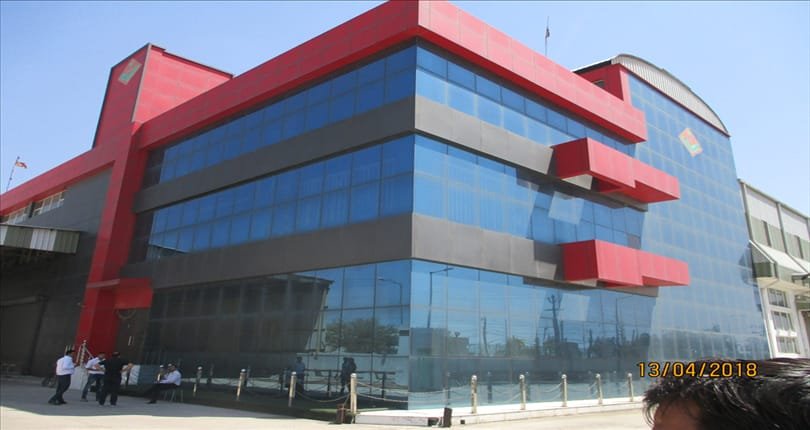
Malur Industrial Area is a fast-growing industrial cluster located in Kolar district, Karnataka. Situated close to the eastern outskirts of Bengaluru, the area has gained importance as a key hub for manufacturing, engineering, and export-oriented industries. Its strategic location along major industrial corridors makes it highly attractive for businesses.
Developed and managed by the Karnataka Industrial Areas Development Board (KIADB), Malur Industrial Area is part of a planned industrial ecosystem. Over the years, it has attracted both MSMEs and large-scale industries, especially those linked to automobile and engineering sectors.
With strong connectivity and ongoing industrial expansion, Malur Industrial Area continues to play a significant role in Karnataka’s industrial growth.

Malur Industrial Area, Kolar — Quick Overview
| Category | Details |
| Location | Kolar, Karnataka |
| Industrial Estate | Malur Industrial Area |
| PIN Code | 563130 |
| Nearby Localities | Hoskote, Narasapura, Malur Town |
| Major Industries | Automobile Components, Engineering, Manufacturing, Electronics |
| Nearest Airport | Kempegowda International Airport |
| Key Highway | NH-75 (Bengaluru–Kolar Highway) |
| Nearby Railway Station | Malur Railway Station |
| Managing Authority | KIADB |
| Industrial Structure | MSME + Large Industries |
Industrial Ecosystem and Key Sectors
Malur Industrial Area hosts a diverse and rapidly expanding industrial ecosystem. The area is particularly known for its automobile and engineering industries, which have attracted both domestic and international companies.
Many industries operate in automobile component manufacturing, supplying parts to major automotive companies in and around Bengaluru. Engineering units producing machinery, tools, and industrial equipment are also widely present.
Electronics manufacturing and export-oriented units are growing steadily, supported by infrastructure and connectivity.
Other industries operating within Malur Industrial Area include:
- Automobile component manufacturing units
- Engineering and machinery industries
- Electronics and electrical equipment production
- Food processing and packaging units
- Warehousing and logistics companies
- Ancillary industries supporting large manufacturers
This combination of industries creates a strong and integrated industrial ecosystem.
Location and Connectivity
Malur Industrial Area benefits from excellent connectivity, making it a strategic industrial location.
The area is located near NH-75 (Bengaluru–Kolar Highway), providing direct access to Bengaluru and other major cities. This ensures efficient transportation of goods and raw materials.
Air connectivity is available through Kempegowda International Airport, located within a reasonable distance.
Rail connectivity is supported by Malur Railway Station, which connects the area to regional and national rail networks.
Additionally, the area is part of the broader industrial corridor linking Bengaluru to Chennai, enhancing its importance.
Infrastructure and Industrial Facilities
Malur Industrial Area is a planned industrial estate with modern infrastructure designed to support large-scale industrial operations.
The estate includes:
- Large industrial plots and factory units
- Warehouses and logistics hubs
- Wide internal roads for heavy vehicles
- Utility and support infrastructure
Basic facilities such as electricity, water supply, and drainage systems are well developed. The planned layout supports efficient industrial functioning.
KIADB has also implemented infrastructure upgrades and maintenance programs.
Overall, the area offers a high-quality industrial environment.
Residential and Social Infrastructure
Malur Industrial Area is supported by nearby towns and residential areas such as Malur town, Hoskote, and parts of Bengaluru’s outskirts.
These areas provide:
- Housing options for workers and professionals
- Schools and educational institutions
- Hospitals and healthcare facilities
- Markets and essential services
The proximity to Bengaluru ensures access to advanced urban infrastructure and amenities.
As industrial activity grows, residential development in nearby areas is also increasing.
Economic Importance
Malur Industrial Area plays a crucial role in Karnataka’s industrial economy, especially as part of the Bengaluru–Chennai industrial corridor.
It contributes to:
- Manufacturing and export of industrial goods
- Employment generation across multiple sectors
- Growth of ancillary industries
The presence of large industries alongside MSMEs strengthens its economic impact.
Challenges and Industrial Issues
Despite its advantages, Malur Industrial Area faces certain challenges.
Rapid industrial growth has increased demand for infrastructure, requiring continuous upgrades.
Traffic congestion and logistics management can become challenging during peak hours.
Environmental compliance is also important, particularly for manufacturing units.
Authorities are working to address these challenges through planning and development initiatives.
Future Growth Potential
The future of Malur Industrial Area looks very promising due to its strategic location and strong industrial base.
Key growth drivers include:
- Expansion of the Bengaluru–Chennai Industrial Corridor
- Increasing investment in manufacturing and electronics
- Development of logistics and infrastructure
With continued support and investment, the area is expected to grow rapidly.
It is likely to become one of the leading industrial hubs in South India.
Conclusion
Malur Industrial Area, Kolar is a modern and rapidly growing industrial cluster that plays a vital role in Karnataka’s manufacturing and engineering sectors. Its strategic location, strong connectivity, and organized infrastructure make it a key industrial destination.
While challenges related to growth and infrastructure remain, ongoing development efforts indicate a strong future.
With continued expansion and investment, Malur Industrial Area is set to become one of the most important industrial hubs in India.