A hospital asks for 60% of the surgery cost upfront before the operation can even be scheduled. The family has ₹1.1 lakh in savings, a health insurance policy that would take 10-15 working days to process the claim, and 72 hours to arrange the rest. The patient is stable, but the clock is running regardless. This exact gap — insurance that’s real but too slow, savings that are real but too small — is precisely what a medical emergency loan is built to bridge.

Why Insurance Alone Sometimes Isn’t Enough in the Moment
- Most family floater health insurance policies cover hospitalisation up to a defined sum insured, often ₹5-10 lakh, which sounds substantial until a specific procedure exceeds it
- Surgeries involving imported implants, robotic-assisted procedures, or treatment at super-specialty hospitals frequently push costs beyond these limits
- Even when coverage is adequate, cashless claim approval through a TPA can take days — time a genuine emergency doesn’t always allow
- A medical loan has no end-use restriction, unlike insurance, which only covers specific listed procedures under specific policy terms
What a Medical Emergency Loan Actually Is
- These are typically standard unsecured personal loans, marketed specifically for medical use but functioning identically to any other personal loan in terms of underwriting
- No collateral required, and the rate you’re offered depends on your credit profile and income, not the nature of your medical expense
- Funds can cover hospitalisation, surgery, medicines, and post-care treatment — including costs insurance often doesn’t touch, like non-covered procedures or extended recovery care
Eligibility Requirements Worth Knowing Before You Apply
- Minimum monthly income requirements commonly start around ₹20,000, though this varies by lender
- Applicants generally need to be resident Indian citizens, typically within an age range of 21 to 55 years
- Many digital lenders use AI-based assessment for near-instant approval or rejection decisions, communicated within minutes through the app itself
- Standard documentation includes identity proof, income proof, and bank statements — broadly similar to any personal loan application, not medical-specific paperwork
Why Disbursal Speed Matters More Here Than for Any Other Loan Type
- A standard personal loan evaluation weighs interest rate and tenure as the primary decision factors — a medical emergency flips that priority
- A lower interest rate loan that takes seven days to disburse fails a same-day hospital deposit requirement entirely, regardless of how attractive the rate looks on paper
- Several lenders now specifically support same-day or next-day disbursal for medical use cases, recognising that speed is the actual product being sold in this category
- If comparing lenders under time pressure, disbursal timeline deserves at least as much weight as the headline interest rate
Why a Pre-Approved Credit Line Beats a Fresh Application Every Time
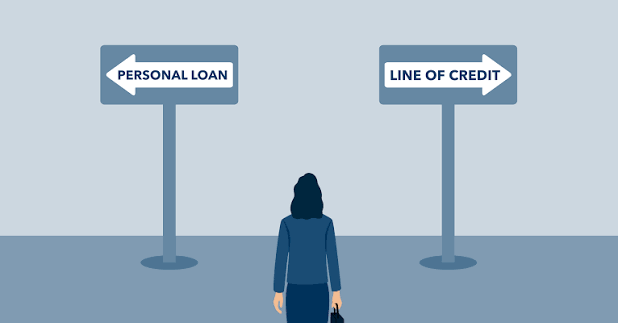
- Some lenders offer a personal credit line rather than a fixed loan disbursement — pre-approved funds sit ready, accessible without a new application each time a need arises
- This structure genuinely suits medical emergencies specifically, since you’re not starting the approval clock from zero at the exact moment you can least afford to wait
- Repeat borrowers with a good repayment history often see this available limit grow over time, building a larger emergency buffer the longer the relationship continues
Where Insurance Top-Up Plans Fit Into This Picture
- A top-up health insurance policy increases your coverage ceiling at a meaningfully lower premium than buying a larger standalone policy from scratch
- If your existing sum insured has repeatedly felt tight against actual treatment costs, a top-up plan addresses the root problem before the next emergency arrives, rather than relying on a loan to plug the gap after the fact
- Critical illness plans work differently again — they pay a lump sum on diagnosis, regardless of actual treatment expenses, giving you flexible cash exactly when a major diagnosis first lands
Insurance First, Loan as Backup — Not the Other Way Around
- Health insurance remains the better first line of defence for most families, since it provides coverage without repayment obligations or added interest cost sitting on top of an already stressful situation
- A medical loan is genuinely useful specifically when insurance is unavailable, insufficient, or too slow for the immediate need — not as a substitute for having adequate coverage in the first place
- The most financially sound approach treats insurance and top-up coverage as prevention, and a medical loan as the emergency backup you hope never to actually need
Frequently Asked Questions
Q1. If my insurance claim is already approved but the payout hasn’t arrived, can a medical loan bridge that specific gap?
Yes, this is a genuine common use case — many families take a short-term medical loan specifically to cover the hospital’s upfront demand while their approved claim payout is still processing, then repay or partially repay the loan once the insurance settlement arrives.
Q2. Do medical emergency loans genuinely require proof that the money is being used for medical expenses?
Not typically — since these are usually standard personal loans marketed for medical use, most lenders don’t require ongoing proof of end-use after disbursal, though some lenders offering waived processing fees for specific hospital tie-ups may ask for hospital estimates during application.
Q3. Is it worth increasing my insurance sum insured through a top-up plan instead of relying on a loan for future medical emergencies?
Generally yes, if you’ve noticed your current coverage repeatedly falls short of actual treatment costs — a top-up plan addresses this at a lower premium than a full new policy and avoids interest costs entirely, making it the more financially efficient fix compared to borrowing after the fact each time.
Q4. Why do some medical loan lenders offer a credit line instead of a one-time lump sum?
A credit line gives you pre-approved, standing access to funds without needing a fresh application at the exact moment of a new emergency, which matters considerably for anyone managing an ongoing health condition or wanting a ready buffer rather than restarting the approval process every time a need arises.