Jhilmil Industrial Area is a well-known industrial cluster located in East Delhi. Situated along GT Road near the Delhi–Uttar Pradesh border, the area has developed into a major hub for small-scale manufacturing, fabrication, and service-based industries. Its strategic location makes it an important industrial zone within the NCR region.
Developed and managed by the Delhi State Industrial and Infrastructure Development Corporation (DSIIDC), Jhilmil Industrial Area is one of the older planned industrial estates in Delhi. Over the years, it has evolved into a mixed-use industrial and commercial zone.
With strong connectivity and a dense industrial presence, Jhilmil Industrial Area continues to play a vital role in Delhi’s MSME-driven economy.
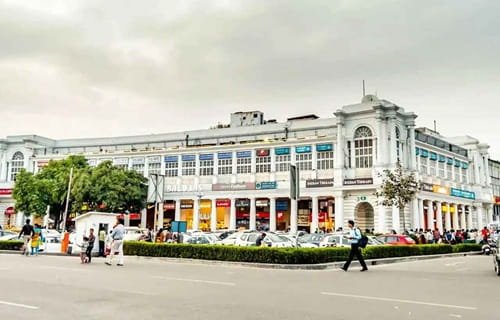
Jhilmil Industrial Area, New Delhi — Quick Overview
| Category | Details |
| Location | East Delhi |
| Industrial Estate | Jhilmil Industrial Area |
| PIN Code | 110095 |
| Nearby Localities | Shahdara, Dilshad Garden, Vivek Vihar |
| Major Industries | Manufacturing, Fabrication, Electrical Goods, Packaging |
| Nearest Metro Station | Jhilmil Metro Station |
| Key Road | GT Road (NH-9) |
| Nearby Railway Station | Delhi Shahdara Railway Station |
| Managing Authority | DSIIDC |
| Industrial Structure | Mostly MSME Units |
Industrial Ecosystem and Key Sectors
Jhilmil Industrial Area hosts a diverse industrial ecosystem, primarily driven by micro, small, and medium enterprises.
The area is known for fabrication units producing metal structures, machinery parts, and construction materials. Electrical goods manufacturing and assembly units are also widely present.
Packaging, plastic goods manufacturing, and printing industries support local markets and supply chains.
Other industries operating within Jhilmil Industrial Area include:
- Metal fabrication and welding units
- Electrical and electronic goods manufacturing
- Packaging and printing industries
- Plastic and consumer goods production
- Small manufacturing and assembly units
- Repair and maintenance workshops
This combination of industries creates a strong and demand-driven industrial ecosystem.
Location and Connectivity
Jhilmil Industrial Area benefits from excellent connectivity within Delhi and NCR.
The area is located along GT Road (NH-9), providing direct access to Delhi, Ghaziabad, and surrounding regions.
Metro connectivity is available through Jhilmil Metro Station, which connects the area to the Delhi Metro Red Line.
Rail connectivity is supported by Delhi Shahdara Railway Station, offering access to major rail routes.
The area is also well connected through local roads and public transport systems.
Infrastructure and Industrial Facilities
Jhilmil Industrial Area consists of industrial plots, workshops, and warehouse spaces.
The estate includes:
- Industrial sheds and factory units
- Fabrication and manufacturing workshops
- Warehouses and storage facilities
- Office and administrative spaces
Basic utilities such as electricity, water supply, and road connectivity are well established. However, due to its age and density, some parts require modernization.
Infrastructure upgrades are ongoing to support industrial activity.
Residential and Social Infrastructure
Jhilmil Industrial Area is surrounded by well-developed residential areas such as Shahdara, Dilshad Garden, and Vivek Vihar.
These areas provide:
- Housing options for workers and professionals
- Schools and educational institutions
- Hospitals and healthcare facilities
- Markets and shopping centers
The proximity to residential zones ensures workforce availability and easy commuting.
Economic Importance
Jhilmil Industrial Area plays a significant role in Delhi’s industrial economy.
It contributes to:
- Manufacturing and supply of industrial goods
- Employment generation for thousands of workers
- Support for MSMEs and local businesses
The area also supports supply chains across NCR.
Challenges and Industrial Issues
- Like many older industrial zones, Jhilmil Industrial Area faces several challenges.
- Traffic congestion and limited parking space affect daily operations.
- Infrastructure constraints and aging facilities require upgrades.
- Environmental compliance and waste management need attention.
- Authorities are working to improve infrastructure and management.
Future Growth Potential
The future of Jhilmil Industrial Area looks stable, with gradual improvements expected.
Key growth drivers include:
- Expansion of small-scale manufacturing industries
- Infrastructure upgrades and redevelopment
- Increasing demand for industrial spaces in NCR
While large-scale expansion may be limited, the area will continue to serve as a key industrial hub.
Conclusion
Jhilmil Industrial Area, New Delhi is a well-established industrial cluster that supports manufacturing, fabrication, and service industries. Its strong connectivity, active MSME base, and strategic location make it an important part of Delhi’s industrial ecosystem.
Although it faces challenges related to congestion and infrastructure, ongoing improvements indicate a positive future.
With continued development, Jhilmil Industrial Area is expected to maintain its role as a key contributor to industrial growth in the NCR region.


Job ki jarurat hai