The juice shop business is one of India’s most beloved, most accessible, and most consistently patronised food service businesses — serving fresh fruit and vegetable juices, sugarcane juice, coconut water, and health blends to millions of daily customers who value the combination of freshness, nutrition, and affordable pricing that no packaged beverage can replicate. India’s fresh juice market is growing strongly, driven by rising health consciousness, growing awareness of the nutritional superiority of fresh over packaged juices, and the expanding urban consumer’s willingness to pay premium prices for genuinely fresh, natural beverages.
Whether you are planning a neighbourhood juice counter, a premium health café, or a delivery-focused cold-pressed juice brand, understanding both sides of this business is essential for successful planning.
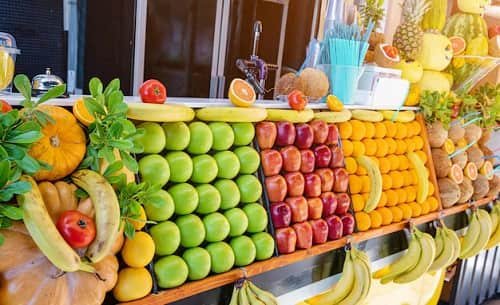
Advantages of Juice Shop Business
1. Low Startup Investment
A basic juice shop can be established with minimal capital — a commercial juicer, blender, fruit display refrigerator, basic counter setup, and initial raw material stock represent the complete starting requirements. A functional neighbourhood juice counter can begin operations for ₹50,000–₹1,50,000 — among the most accessible food business entry points available. This low capital requirement allows entrepreneurs to test the market, develop their menu, and build a regular customer base before committing larger investment to premium equipment or dedicated premises.
2. High and Health-Driven Daily Demand
Fresh juice consumption is driven by daily health habits that create reliable recurring customer traffic — morning commuters seeking healthy breakfast alternatives, fitness enthusiasts requiring post-workout nutrition, office workers choosing fresh beverages over packaged alternatives, and students seeking affordable nutritious refreshment all generate consistent daily demand. India’s rising health consciousness — driven by lifestyle disease awareness and social media wellness culture — is structurally increasing fresh juice demand across urban India, providing the juice business with favourable long-term demand growth that requires no active market creation.
3. Strong Margins on Value-Added Beverages
Premium juice products — cold-pressed juices, detox blends, functional ingredient combinations, and specialty wellness shots — command retail prices of ₹100–300 per glass that generate gross margins of 55–70%. Even standard fruit juices at ₹50–120 per glass deliver attractive margins from relatively inexpensive fruit inputs. The health positioning premium is commercially powerful — customers making conscious wellness purchases are significantly less price-sensitive than commodity beverage buyers, supporting pricing that creates genuinely attractive business economics from modest daily volumes.
4. Multiple Revenue Channels
A juice shop generates revenue through multiple simultaneous channels — walk-in counter service, pre-ordered delivery through Swiggy and Zomato, corporate office bulk supply, gym and fitness centre partnerships, subscription juice detox programs, and catering for health-conscious events. This channel diversity provides revenue stability and growth pathways that single-channel businesses lack. Delivery platform presence dramatically expands customer reach beyond physical footfall — a well-rated juice business on delivery platforms reaches customers across a broad urban radius from a single production location.
5. Quick Break-Even and Positive Cash Flow
The juice business reaches break-even quickly due to its low fixed cost structure and high gross margins. A neighbourhood juice shop covering its daily fruit costs, rent, and one staff member’s wage requires selling only 30–50 glasses daily to cover costs — an achievable threshold in most locations from the first weeks of operation. This rapid break-even trajectory reduces the financial risk period that most food businesses must sustain through before achieving profitability, making the juice business financially attractive for first-time entrepreneurs with limited capital reserves.
Disadvantages of Juice Shop Business
1. Extreme Perishability of Inputs and Outputs
Fresh fruits deteriorate quickly — creating daily procurement, freshness management, and wastage challenges that require disciplined operational attention. Unsold prepared juices cannot be stored beyond a few hours. Overripe or damaged fruits that slip through quality control create inferior product that damages customer experience. Accurately predicting daily demand across multiple juice varieties while minimising both stockouts and wastage requires experience that takes months to develop — and the financial impact of regular wastage directly erodes the margins that make the business viable.
2. Seasonal Fruit Availability and Price Volatility
Most fruits are seasonal — mango season, watermelon season, and orange season all have defined windows that force menu changes and pricing adjustments throughout the year. Seasonal fruit price volatility — prices can fluctuate 50–100% within a single month during harvest transitions — creates margin pressure when input costs rise faster than customer pricing can be adjusted. Building menus that balance seasonal specialties with year-round stable-availability fruits requires both product knowledge and procurement planning sophistication.
3. Intense Local Competition
Most neighbourhood locations support multiple competing juice vendors — established roadside sugarcane juice operators, fruit stall adjacent juice service, and competing juice shops all compete for the same daily customer base. Differentiating on product quality, hygiene standards, or menu innovation requires consistent investment in a competitive environment where price competition is intense. Building the customer loyalty and repeat visit habit that sustains profitable juice business operations takes time and consistent quality delivery.
4. Hygiene Standards and Food Safety Risk
Fresh juice preparation involves direct food handling, cutting equipment, and storage conditions that create hygiene management obligations that must be maintained rigorously. Contaminated juice — from improperly cleaned equipment, unhygienic fruit handling, or unsafe water use — creates customer illness risks that generate serious consequences in the trust-dependent food service business. FSSAI compliance for fresh juice operations requires documented hygiene practices, regular equipment cleaning, and safe food handling procedures that require genuine operational discipline.
5. Weather and Seasonal Revenue Variation
Fresh juice demand peaks sharply during summer months and declines during winter and monsoon — creating seasonal revenue concentration that requires financial planning for lean period sustainability. Monsoon months see reduced footfall at outdoor or street-adjacent locations. Winter demand reduction for cold juices requires menu adaptation toward warm beverages that may be outside the business’s core competency. Managing seasonal cash flow — building summer reserves to sustain through quieter months — is an essential financial discipline that first-time juice business operators consistently underestimate.
Frequently Asked Questions (FAQs)
Q: Is juice shop business profitable in India?
A: Yes — a well-located juice shop with consistent daily volume can achieve net margins of 20–35%. Premium cold-pressed juice brands achieve the strongest margins.
Q: How much investment is needed to start a juice shop in India?
A: A basic juice counter starts at ₹50,000–₹1,50,000. A premium health juice café requires ₹3–8 lakhs for equipment, fit-out, and initial working capital.
Q: What licences are required for juice shop in India?
A: FSSAI food business registration, municipal trade licence, GST registration once thresholds are crossed, and shop and establishment registration are the primary requirements.
Q: Which juices sell best in India throughout the year?
A: Mixed fruit juice, watermelon, orange, sugarcane, pomegranate, and mosambi (sweet lime) are consistently among India’s highest-demand juice varieties. Cold-pressed green juices lead the premium health segment.
Q: Can juice shop be run as a cloud kitchen in India?
A: Yes — cold-pressed juice cloud kitchens delivering through Swiggy and Zomato are a growing business model, particularly in urban areas with health-conscious delivery customers.