The interior design business is one of India’s most creatively fulfilling and commercially dynamic professional services — transforming living spaces, offices, retail environments, and hospitality venues through thoughtful design that combines aesthetics, functionality, and personal expression. India’s interior design market is growing at 15–20% annually, driven by rising homeownership aspirations, the premium housing segment’s explosive growth, expanding corporate office culture, and the growing willingness of Indian consumers to invest significantly in creating beautiful, functional living and working environments.
From a boutique residential design studio to a commercial interior design firm or an online interior design consultation service, the business offers genuine opportunity for creatively talented, business-minded entrepreneurs who understand both its exciting potential and demanding client relationship requirements.
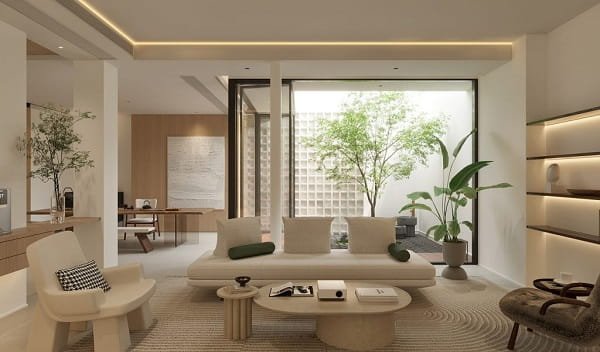
Advantages of Interior Design Business
1. Large and Growing Premium Market
India’s interior design market is structurally supported by extraordinary real estate development activity — millions of premium homes, corporate offices, hotels, restaurants, and retail spaces are completed annually, each representing potential interior design engagements. The premium housing segment — buyers investing ₹1–5 crores in new homes — increasingly treats professional interior design as a standard aspect of home completion rather than an optional luxury, creating a growing addressable market that is both premium-priced and increasingly prevalent. This market expansion continues as urbanisation drives more Indians into quality housing that they want designed to reflect their aspirations and personalities.
2. High Revenue Per Project
Interior design projects generate substantial per-engagement revenue — a complete 2BHK apartment design project generates ₹3–15 lakhs in design fees and material procurement margins, while a luxury villa or premium office project generates ₹20–80 lakhs or more. These high transaction values mean that even converting a small number of projects monthly creates significant revenue. The combination of professional design fees, procurement commissions on furniture and fittings, and project management fees creates multiple revenue components per engagement that compound into strong total project economics.
3. Strong Referral Marketing Dynamic
Interior design projects create physical spaces that family, friends, and colleagues visit and experience — making every completed project a permanent, highly visible portfolio piece that generates referrals organically. A beautifully designed home that impresses every visitor creates more new client inquiries than most advertising investments could generate. Building a referral-driven business model — where each satisfied client advocates enthusiastically to peers who are themselves considering home renovation or new home decoration — creates client acquisition momentum that rewards quality delivery with compounding business growth.
4. Online Portfolio and Social Media Opportunity
Interior design is among the most visually compelling professional service categories — beautiful space photography generates exceptional engagement on Instagram, Houzz, Pinterest, and YouTube, allowing design businesses to build significant following and direct inquiry from compelling portfolio presentation. A design firm that consistently documents and shares genuinely beautiful project outcomes builds online brand awareness that reaches potential clients across geographies far beyond local referral networks. Virtual design consultation services also allow revenue generation from online clients without geographic constraint.
5. Multiple Service Models and Revenue Streams
Interior design businesses generate revenue through multiple simultaneous models — design consultation fees, project management fees, procurement commissions on furniture and materials sourced through trade accounts, product retail through curated online stores, and increasingly, subscription-based virtual design services for clients who want design guidance without full-service engagement. This revenue model diversity allows design businesses to serve multiple client budget levels simultaneously — premium full-service for luxury clients alongside consultation-only or e-design services for cost-conscious clients who want professional guidance without full implementation fees.
Disadvantages of Interior Design Business
1. Difficult Client Relationship Management
Interior design client relationships are among the most emotionally intense in any professional service — clients are making significant financial investments in personal living spaces that carry deep emotional significance. Managing client expectations, communicating design constraints, navigating disagreements about aesthetic choices, and maintaining professional boundaries when clients become demanding or change requirements frequently requires interpersonal sophistication and emotional intelligence that purely technical capability cannot substitute for. Client dissatisfaction — even from unreasonable expectations — generates negative referrals that damage reputation in the referral-dependent design business.
2. Project Cash Flow Management
Interior design projects involve complex payment timing — upfront design fees, staged procurement payments, and final completion balances create cash flow patterns that require careful management. Procurement-heavy projects require designers to pay suppliers before client payment completion — creating working capital funding requirements. Project delays — from contractor issues, material delivery problems, or client decision delays — extend project timelines beyond initial projections while fixed overhead costs continue. Managing project cash flow across multiple simultaneous engagements requires financial management discipline that creative-focused designers frequently underestimate.
3. Contractor and Supplier Dependency
Design execution quality depends entirely on contractor and supplier performance — the most brilliant design concept is realised poorly if contractors execute with inadequate skill or suppliers deliver inferior materials. Building reliable, quality-consistent contractor relationships requires years of careful vendor development. Contractor failures — poor workmanship, delayed completion, substandard materials — create client dissatisfaction for which the designer bears primary relationship responsibility regardless of contractual allocation. Managing contractor performance while maintaining client confidence during execution challenges is an ongoing operational stress in interior design practice.
4. High Competition from Architects and Online Platforms
Interior design faces competitive pressure from both professional and digital directions — qualified architects offering integrated design services, online AI-powered interior design platforms, furniture retailers offering free design consultations, and thousands of portfolio-only designers competing on social media. Building reputation differentiation that justifies professional design fees against free or low-cost alternatives requires demonstrated design excellence, client testimonials, and brand positioning that takes sustained effort and project portfolio building over years to achieve adequately.
5. Project-Based Revenue Unpredictability
Interior design revenue is project-based rather than subscription-based — creating inherent monthly revenue unpredictability as project timelines extend or contract and new project acquisition varies. Building a consistently full project pipeline requires continuous business development investment — maintaining client relationships, networking with real estate developers and architects, creating social media content, and responding to inquiries — that competes for time with the billable design and project management work that generates revenue. Managing this time allocation tension between business development and client delivery is a persistent challenge for independent design practitioners.
Frequently Asked Questions (FAQs)
Q: Is interior design business profitable in India?
A: Yes — an established interior design practice with consistent project flow can achieve net margins of 25–40%. Premium residential and commercial projects offer the strongest per-project economics.
Q: What qualifications are needed to start interior design business in India?
A: A degree in interior design or architecture provides the strongest foundation. Certification from CIDA or NID adds credibility. Genuine portfolio experience is ultimately the most important client-facing credential.
Q: How much investment is needed to start interior design business in India?
A: A home-based or small studio interior design business can start for ₹1–3 lakhs covering design software, portfolio development, professional photography, and basic marketing.
Q: How do interior designers charge clients in India?
A: Common models include per square foot fees (₹50–200/sqft), percentage of project cost (8–15%), fixed project fees for defined scopes, or hourly consultation rates for advisory engagements.
Q: Can interior design business be done online in India?
A: Yes — virtual interior design consultations, e-design packages with mood boards and shopping lists, and online design coaching are growing revenue models that serve clients nationally without physical presence.