The jaggery business occupies a uniquely important position in India’s food economy — serving as both a traditional sweetener deeply embedded in culinary and cultural life and a rapidly growing health food product experiencing extraordinary premium market demand. India is the world’s largest jaggery producer, manufacturing over 70% of global output from sugarcane, date palm, and coconut sources across Maharashtra, Karnataka, Uttar Pradesh, West Bengal, and Tamil Nadu.
India’s jaggery market is growing at 12–15% annually, driven by the health-conscious shift away from refined sugar, growing Ayurvedic and natural food preferences, and the explosion of organic jaggery demand domestically and internationally. From jaggery production and trading to branded packaging, the business offers genuine opportunity at multiple scales.
Advantages of Jaggery Business
1. Strong and Growing Health-Driven Demand
Jaggery has transitioned from a traditional rural sweetener to a mainstream health food product — nutritionists, Ayurvedic practitioners, and health-conscious consumers increasingly recommend jaggery as a superior alternative to refined sugar, citing its mineral content, natural processing, and lower glycaemic impact. This health positioning creates premium market demand that industrial sugar cannot access — health-conscious urban consumers actively seek quality jaggery and pay 2–3x sugar prices for certified organic or traditionally processed varieties. The growing clean label and natural food movement provides structural demand tailwind that makes jaggery business growth organic rather than dependent on active market creation.
2. Multiple Product Formats and Revenue Streams
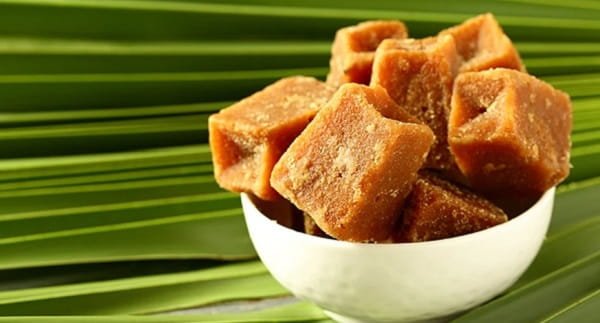
Jaggery is commercially available in multiple formats that serve different market segments simultaneously — traditional block jaggery for cooking and mithai making, powdered jaggery for convenience consumers, jaggery cubes for tea and coffee sweetening, liquid jaggery for industrial food processing, and organic certified jaggery for premium retail and export. Each format targets different buyers at different price points with different margin profiles. Entrepreneurs who develop capability across multiple formats simultaneously serve broader market coverage that single-format traders cannot achieve, improving both revenue stability and total business scale.
3. Export Market Opportunity
India’s jaggery enjoys strong international demand — Indian diaspora communities across North America, Europe, and the Middle East create demand for authentic Indian jaggery varieties. Health food stores in Western markets stock Indian jaggery as a premium natural sweetener alternative. Organic certified jaggery commands export prices of ₹80–150 per kilogram — 3–4x domestic commodity prices — creating extraordinary margin improvement for quality-positioned producers and exporters who develop the certification, packaging, and logistics capability to access these markets.
4. Low Raw Material Cost for Producers
Sugarcane — the primary raw material — is a widely available agricultural commodity in major jaggery producing states where established farming communities supply local jaggery processing units at prices that make production economics attractive. Traditional jaggery processing units — kolhus — can be established with relatively modest capital investment compared to sugar mill infrastructure. In sugarcane-rich growing regions, the combination of accessible raw material supply and established processing knowledge creates favourable production economics for entrepreneurs entering manufacture.
5. Long Shelf Life and Low Wastage
Properly prepared and stored jaggery has a shelf life of 6–12 months — significantly longer than most agricultural food products and far more manageable from an inventory perspective than perishable food businesses. This extended shelf life allows bulk procurement during harvest season at lowest prices for storage and forward sale — creating price arbitrage opportunities that demand seasonal procurement discipline. The absence of cold chain dependency simplifies logistics and distribution compared to most agricultural food trading businesses, reducing infrastructure requirements and cost complexity.
Disadvantages of Jaggery Business
1. Quality Variability and Adulteration Risk
Jaggery quality varies significantly between production batches, seasons, and sources — colour, moisture content, texture, and purity all affect commercial value and consumer perception. Adulteration — adding artificial colours to improve appearance, using chemical bleaching agents, or mixing sodium bicarbonate to improve texture — is widespread in unorganised market segments. Building a premium brand requires sourcing from verified quality producers, implementing quality testing, and communicating authentic processing standards — all requiring investment that commodity traders competing on price do not incur.
2. Seasonal Production and Price Volatility
Jaggery is manufactured primarily during the sugarcane crushing season — October through March in most producing states — creating production concentration that affects both availability and pricing for the remaining months. Post-season price increases as stored inventory depletes create procurement timing challenges for traders and processors. Weather events affecting sugarcane harvests create unpredictable price spikes that compress margins for those who bought forward at lower prices. Managing seasonal price volatility requires both procurement sophistication and adequate storage infrastructure.
3. Storage Infrastructure Requirements
Quality jaggery storage requires dry, cool, well-ventilated warehousing — moisture absorption causes jaggery to soften and develop mould, while excessive heat accelerates quality degradation. Building or accessing adequate storage infrastructure in humid coastal regions and during monsoon months requires investment in proper warehousing that protects inventory value. Poor storage conditions that allow quality deterioration create financial losses from discounted sale of degraded stock that erode the margin that proper storage investment would have preserved.
4. Competition from Organised Sugar Industry
Traditional jaggery faces persistent competitive pressure from the organised refined sugar industry — government price support for sugar, established sugar industry distribution infrastructure, and the convenience and consistency of refined sugar create competitive advantages that jaggery’s health positioning alone cannot fully overcome in price-sensitive market segments. In industrial food processing applications, sugar’s consistent quality, standardised sweetness, and white colour create functionality advantages that jaggery cannot match regardless of health positioning. The jaggery business must focus on health-conscious and traditional-use segments where sugar’s advantages do not apply.
5. FSSAI and Organic Certification Requirements
Commercial jaggery trading and manufacturing requires FSSAI food business registration, and labelling must comply with food product regulations including ingredient declarations, net weight accuracy, and manufacturer details. Premium organic positioning requires certification from APEDA-accredited organic certification agencies — a process requiring 2–3 year transition period, documentation investment, and annual inspection fees that add to operating costs. Export businesses require additional APEDA export registration and compliance with destination country food import requirements. Building the compliance portfolio needed for premium market access requires both time and financial investment before commercial returns materialise.
Frequently Asked Questions (FAQs)
Q: Is jaggery business profitable in India?
A: Yes — branded premium jaggery businesses targeting health-conscious consumers and export markets achieve net margins of 20–35%. Commodity trading operates on thinner margins requiring higher volume.
Q: How much investment is needed to start jaggery business in India?
A: A jaggery trading business starts with ₹2–5 lakhs working capital. A branded packaging business requires ₹3–8 lakhs. Jaggery processing unit establishment requires ₹10–30 lakhs.
Q: Which state produces the best jaggery in India?
A: Kolhapur in Maharashtra produces India’s most premium and internationally recognised jaggery. Karnataka, Uttar Pradesh, and Tamil Nadu are also major quality producing states.
Q: What licences are required for jaggery business in India?
A: FSSAI food business registration, GST registration, and APEDA registration for export are the primary requirements. Organic certification requires additional accreditation process.
Q: Is organic jaggery export business profitable in India?
A: Yes — certified organic jaggery commands export prices 3–4x domestic commodity prices. Building the certification, quality consistency, and export logistics capability for international markets requires investment but delivers substantially superior returns.