The handmade soap business has emerged as one of India’s most popular and most creatively fulfilling home-based entrepreneurship opportunities — riding the intersection of the organic beauty movement, growing consumer awareness of synthetic chemical risks in conventional personal care products, and the explosion of social media platforms that allow artisan soap makers to reach premium customers nationally from a single home production space. India’s natural and organic personal care market is growing at 20%+ annually, with handmade artisan soaps commanding premium prices that make small-scale production genuinely commercially viable.
From cold-process artisan soap with natural botanical ingredients to glycerin soap, goat milk soap, and Ayurvedic herbal soap, the category offers extraordinary creative range alongside genuine health-driven commercial positioning.
Advantages of Handmade Soap Business
1. Very Low Startup Investment
Handmade soap production requires minimal initial capital — base oils, lye (sodium hydroxide), fragrance and essential oils, moulds, and basic safety equipment represent the complete starting requirement. A home-based handmade soap business can launch with ₹10,000–₹30,000 — among the lowest startup costs in any personal care business. This minimal entry cost allows entrepreneurs to test formulations, build a customer base, and develop their brand identity before committing larger capital to product range expansion or premium packaging investment.
2. Premium Pricing with Attractive Margins
Handmade artisan soaps command retail prices of ₹150–500 per bar — compared to ₹30–80 for mass-market commercial soap — delivering gross margins of 50–70% for well-positioned brands. Customers purchasing handmade soaps are making a conscious choice to pay premium prices for natural ingredients, artisan craftsmanship, and the health benefits of chemical-free formulations — meaning they are explicitly less price-sensitive than commodity soap buyers. Gift soap sets, personalised wedding favours, and corporate gifting collections command even higher per-unit prices that amplify the business’s margin opportunity.
3. Strong Clean Beauty Market Tailwind
India’s clean beauty movement — driven by growing consumer awareness of parabens, sulphates, synthetic fragrances, and other controversial cosmetic ingredients — is creating structural demand for genuinely natural alternatives that commercial soap manufacturers cannot credibly claim. Handmade soap’s authentic natural positioning — visible botanical inclusions, genuine essential oil fragrances, and transparent ingredient lists — resonates powerfully with health-conscious consumers who actively seek products they can trust. This clean beauty tailwind provides organic demand growth that rewards quality handmade soap businesses without requiring expensive marketing investment.
4. Instagram and Social Media Amplification
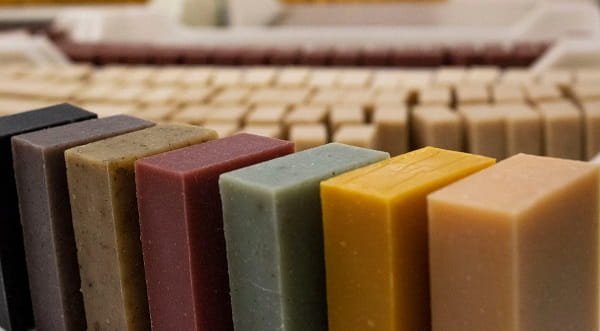
Handmade soap is one of social media’s most naturally photogenic product categories — swirling colours, natural botanicals, intricate patterns, and beautiful packaging create compelling visual content that generates extraordinary engagement on Instagram and Pinterest. A well-curated handmade soap business account with aesthetically consistent photography and authentic formulation storytelling can build thousands of engaged followers who convert to customers. Social media discovery drives purchases across national geographies from a single home production location — transforming a local craft business into a national artisan brand.
5. Gifting Market and Seasonal Revenue Opportunity
Handmade soaps are among India’s most popular gifting choices for weddings, Diwali, baby showers, and corporate gifting — their beautiful presentation, perceived luxury, and health-conscious positioning make them ideal gifts that recipients genuinely appreciate. Wedding favour soap sets — personalised with couple names and wedding dates — represent particularly high-margin bulk order opportunities. Corporate Diwali gifting demand creates annual revenue concentrations that meaningfully boost annual income. Building gifting market capability alongside retail sales creates the revenue diversification that makes the handmade soap business financially robust.
Disadvantages of Handmade Soap Business
1. Chemical Safety Requirements and Lye Handling
Cold-process soap making requires working with sodium hydroxide (lye) — a caustic chemical that causes severe burns on skin contact and generates heat when mixed with water. This genuine safety hazard requires proper protective equipment, ventilated workspace, and disciplined handling protocols that beginners must take seriously before beginning production. Soap making errors — incorrect lye calculations, insufficient mixing, or temperature management failures — create products with active lye remaining in the finished soap that can harm users. These safety requirements add genuine management responsibility that distinguishes soap making from most other home business activities.
2. Cure Time Limits Production Flexibility
Cold-process handmade soap requires a curing period of 4–6 weeks after production before it is ready for sale — allowing excess water to evaporate and the saponification process to complete fully. This mandatory cure time creates a production planning challenge — orders placed today cannot be fulfilled for weeks without maintaining cured inventory stock. Managing cured stock across multiple formulations, seasonal gifting demand surges, and custom order requirements requires advance production planning sophistication that casual entrepreneurs consistently underestimate.
3. CDSCO Regulatory Compliance
Soap sold commercially in India is regulated as a cosmetic under the Drugs and Cosmetics Act — requiring CDSCO cosmetic product notification for commercial sale. This regulatory requirement adds compliance cost and administrative process that many home-based soap makers are unaware of when starting. Non-compliance creates legal risk for commercial soap sellers. Additionally, product labelling must meet specific cosmetic ingredient declaration and allergen warning requirements that require formulation documentation.
4. Competition from Established Natural Brands
The handmade and natural soap market has become increasingly competitive — established natural personal care brands like Forest Essentials, Biotique, Kama Ayurveda, and dozens of artisan soap brands compete for the same health-conscious consumer segment. Online platforms including Amazon, Nykaa, and Etsy India are populated with competing handmade soap businesses at every price point. Building sufficient brand differentiation to justify premium pricing requires genuine creative distinction, authentic formulation quality, and consistent marketing investment that takes sustained effort.
5. Packaging Costs Affect Margin
Premium handmade soap positioning requires premium packaging — attractive soap boxes, tissue paper, ribbon, and gift packaging are essential for commanding the prices that make the business economically viable. Packaging costs for premium presentation can represent 20–30% of total per-unit cost — significantly affecting the margin calculation for businesses that underestimate packaging investment requirements. Minimum order quantities from packaging suppliers require upfront capital commitment that adds to startup investment beyond the production ingredients alone.
Frequently Asked Questions (FAQs)
Q: Is handmade soap business profitable in India?
A: Yes — a handmade soap business with strong brand positioning and gifting market focus can achieve net margins of 40–60%. Premium and organic positioning delivers the strongest returns.
Q: How much investment is needed to start handmade soap business in India?
A: Production can begin with ₹10,000–₹30,000. Adding premium packaging and initial marketing investment brings typical startup to ₹50,000–₹1,50,000.
Q: Do I need a licence to sell handmade soap in India?
A: Yes — commercial soap sales require CDSCO cosmetic product notification, FSSAI is not applicable, and GST registration once turnover thresholds are reached.
Q: Which handmade soap ingredients sell best in India?
A: Charcoal, turmeric, neem, rose, sandalwood, and coffee are among the most popular natural ingredients in Indian handmade soap. Ayurvedic herb-infused soaps command particularly strong premium positioning.
Q: Can handmade soap business be done from home in India?
A: Yes — home-based production is entirely feasible with proper chemical safety protocols, adequate ventilation, and a dedicated clean production space separate from food preparation areas.